
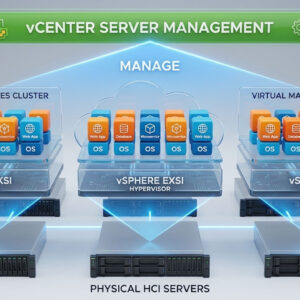
With technology expanding at an exponential rate it seems like the hardware associated with it keeps getting smaller and smaller because we can now pack more power into smaller packages. And with… Read More
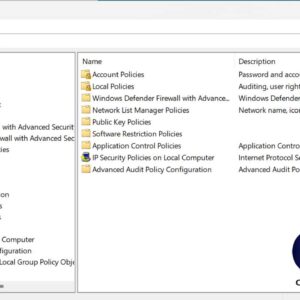
Windows 2000 and higher versions allow you to adjust the local security settings for a particular computer. If the computer was part of a domain on a network then these settings would… Read More
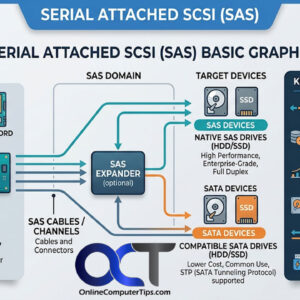
There are many types of hard drives that you can use for your workstation or server computers such as IDE, SATA, SCSI, Solid State (SSD), and now SAS or Serial Attached SCSI.… Read More
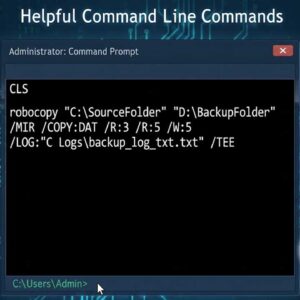
Everyone has computer issues at some point and it’s great when you can click around your menus and open other programs to help figure out the problem. But not all problems can… Read More
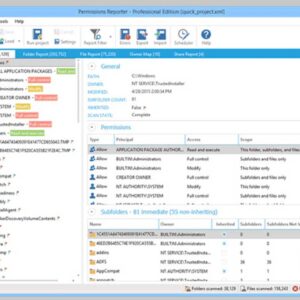
If you work in the IT industry and use Windows for your servers and or workstations then you most likely know what NTFS is. NTFS (New Technology File System) was introduced by… Read More
I’m sure at some point while using your computer at work or at home you have encountered some sort of error message or crash while trying to get your work done. This… Read More
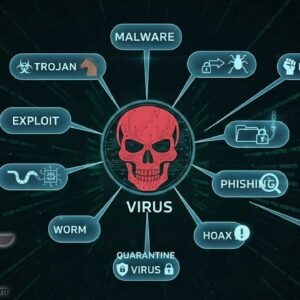
When it comes to fighting viruses and other forms of infections that can cause damage to your computer or files it helps to know some terminology to keep yourself aware of what… Read More
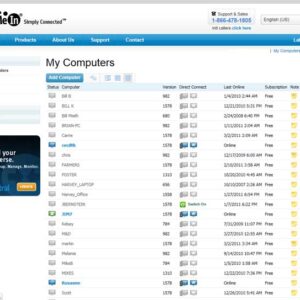
Access to remote computers over the internet is becoming more popular as broadband internet speeds increase and people are becoming more computer savvy. Being able to control your work computer from home… Read More
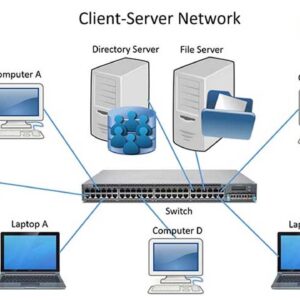
There are thousands of words, phrases and terms used in the networking world. Since most of us are not future Cisco employees we decided to list some of the more common terminology… Read More

Different motherboard manufactures use different beep codes to diagnose problems. You can use these codes to diagnose why your computer may not be starting. If you don’t know your motherboard manufacturer you… Read More