

Microsoft Edge is one of the most popular web browsers in use today. And this is most likely because it comes built into Windows 11 and even Windows 10 and is the… Read More
Hyper-V is Microsoft virtualization platform that runs on top of Windows and allows you to create virtual machines running Windows, Linux or other operating systems on your host Windows computer. Hyper-V is… Read More
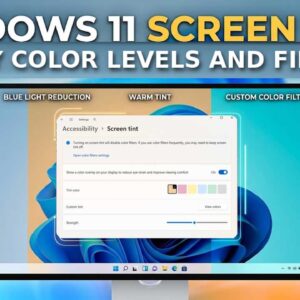
Since many of us stare at some type of screen more often than we probably want to, it’s essential to make sure we protect our eyes to avoid potential eye strain or… Read More
Buying a pre-loaded Windows 11 SSD sounds like the ultimate shortcut for a broken computer. You skip the entire installation process and get right back to working or gaming. Many online sellers… Read More
If you like to play around with other operating systems besides Windows 11 such as Linux, you might find that you have some data on a drive that you want to use… Read More

Google Docs is one of the most popular word processing apps in use today. Even though it’s not as popular as Microsoft Word, there are still many people using it since it’s… Read More
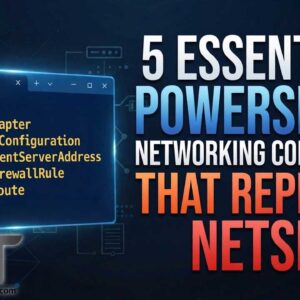
For decades, system administrators and network engineers relied on netsh, ipconfig, and route to configure and troubleshoot Windows network stacks. While these legacy Command Prompt utilities served their purpose, modern IT environments require heavy automation. You… Read More
Ever since Windows 11 was released back in 2021, there has been resistance from die hard Windows users who do not like the updated version of Windows and prefer the stability and… Read More
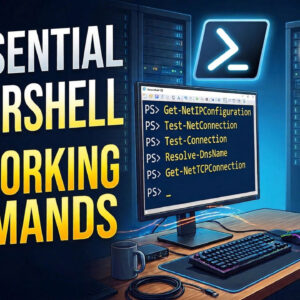
When network issues strike, knowing how to diagnose the connection quickly saves hours of trial and error. Whether a local file share becomes unreachable, a remote server rejects incoming traffic, or a… Read More
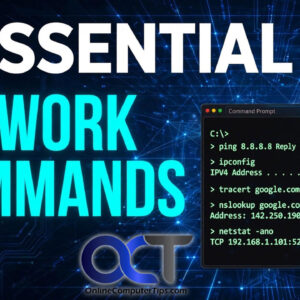
When network issues strike, knowing how to diagnose the connection quickly saves hours of trial and error. This applies whether a local printer drops offline or an entire office workstation loses internet… Read More