
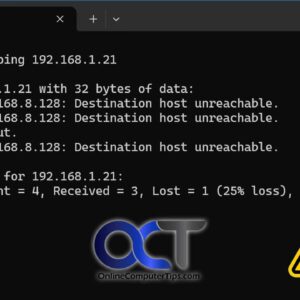
PING (Packet Internet Groper) is a program used to test whether a particular network host is online by sending an ICMP (Internet control message protocol) echo request and waiting for a response.… Read More

Check out this updated article on how to connect to shared files and folders on the network. Shares are used to share information over a network between computers and other networked devices.… Read More
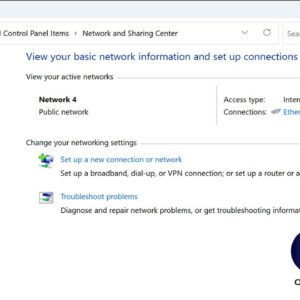
The term networking may scare many novice computer users but these days networking has a more widespread meaning. 10 years ago it meant complicated messes of routers, switches and cabling which it… Read More
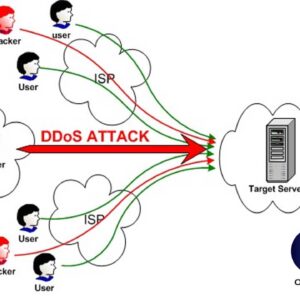
Every year new types of DDoS attacks are identified. As with all internet security threats, DDoS (Distributed Denial of Service) attacks continually evolve and certain methods become more popular than others. There… Read More
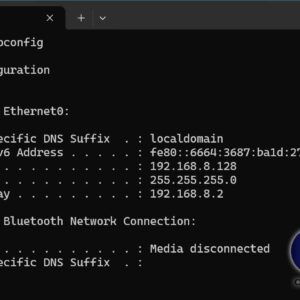
IP addresses are used with TCP/IP networks to allow communication between different networked devices such as computers and printers. It’s also required to be able to communicate on the Internet. Each device… Read More

Many people use wireless routers at home these days to get their internet connection on portable devices like laptops so they don’t have to be plugged in with a cable into their… Read More

Almost everyone with a computer and internet access has at least one email address, often more. How you access your email depends on the method you choose. Some people use webmail services… Read More

With today’s high speed internet access its imperative that you protect yourself from the outside world. One of the best ways to do this is to install a broadband router or firewall… Read More

Since broadband offers instant access to email, work, video chats and online data storage sites, people are becoming increasingly reliant on its presence in their lives. As a result, it can be… Read More

Unlike group types, which are fairly simple to understand, group scopes can be frustrating to those new to working with Windows Server and Active Directory. In Windows Server Active Directory, groups are… Read More