Last Updated on May 22, 2026
If it weren’t for the ability to use the internet, many people probably wouldn’t even own a computer since many people use them mainly for email and web browsing. And for those who use laptop computers, you may find it harder to stay connected since you will need to be in range of a Wi-Fi connection when out in public.
If you are using a wireless (Wi-Fi) connection with your computer, you can share this connection by turning on the mobile hotspot feature that comes with Windows. This is similar to sharing your internet connection via the mobile hotspot feature on your smartphone.

One problem that many Windows users face is that the hotspot will keep turning itself off and then you will have to go back to the settings and enable it again. This can be inconvenient for those who are using your computer as a mobile hotspot because if you are not around to reenable the hotspot, they will no longer have an internet connection. In this article, will be showing you several methods you can use to prevent your Windows mobile hotspot from turning itself off.
Method 1: Change Mobile Hotspot Power Settings
1. Access the Network and Internet Menu
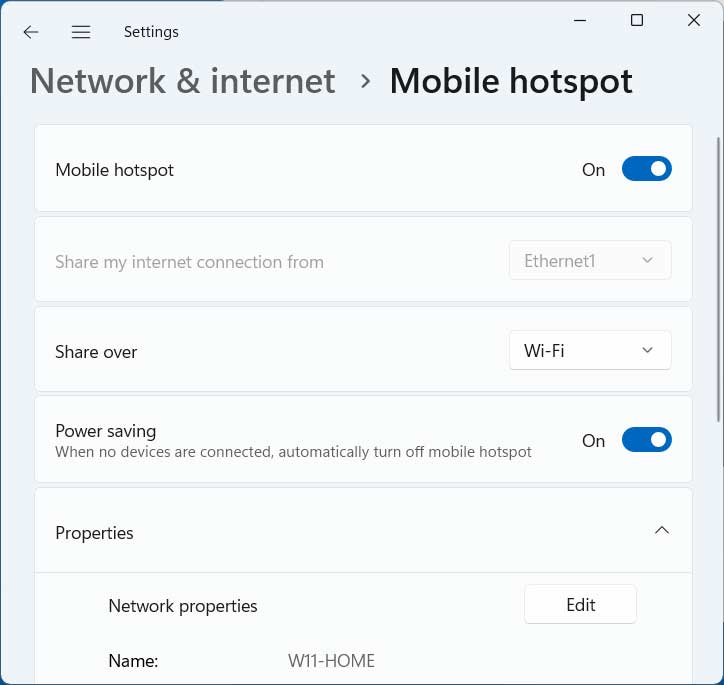
Before others can access your computer’s mobile hotspot, you will need to go to the Windows settings under Network & internet and make sure that it is enabled. Press the Windows key + I to open this menu quickly. Here you can also set the hotspot name and choose a password that will have to be used in order to connect to your mobile hotspot.
2. Disable the Power Saving Toggle
One thing you might want to do while here is disable the option under power savings that says “When no devices are connected, automatically turn off mobile hotspot”. When this is enabled and there are no active connections, Windows will disable the hotspot until you come back here and enable it again. Toggle this switch off to force the connection to remain active.
Method 2: Adjust Network Adapter Power Management
1. Open the Device Manager
Another method you try is to open the Windows Device Manager by typing in device manager in the taskbar search box. Click the top result to launch the utility. You will need administrative privileges to alter hardware states.
2. Find Your Wireless Network Adapter
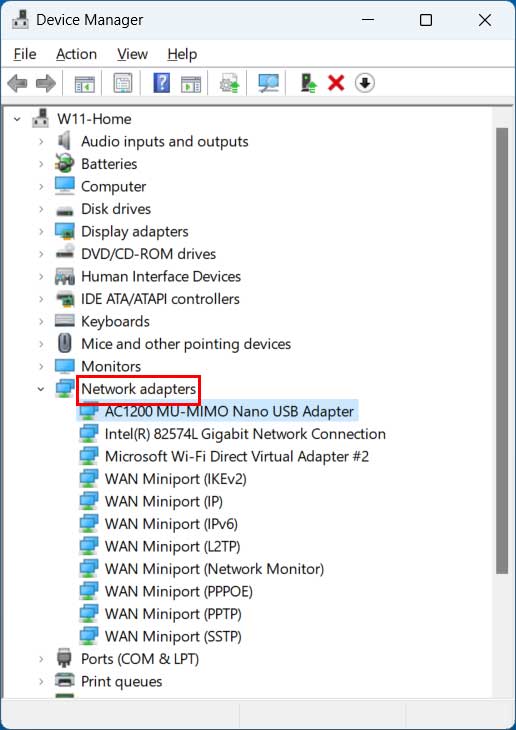
Once you are there, look for the section called Network adapters. Click the arrow to expand this hardware category. Find your specific wireless network adapter in the list.
3. Uncheck the Power Saving Option
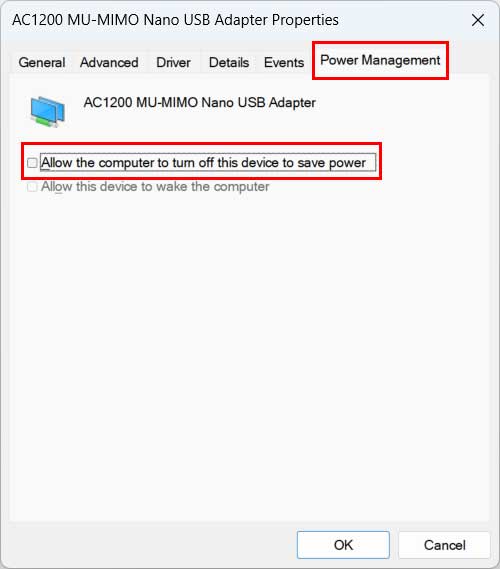
Once you find it, right click on its name and choose Properties. Then go to the Power Management tab and look for the option that says “Allow the computer to turn off this device to save power” and uncheck it and then click the OK button. Windows will no longer cut power to your Wi-Fi card to save battery.
Method 3: Modify the ICSSVC Registry Key
If that doesn’t work, you can then try the following registry edit. Just be careful when editing the registry because making a mistake can make your computer not function properly, or at all!
1. Launch the Windows Registry Editor
To begin, you will need to open the Windows Registry Editor by typing regedit in the taskbar search box. Hit Enter to open the tool. Confirm the User Account Control prompt if it appears on your screen.
2. Navigate to the ICSSVC Settings Folder
Next, you will need to navigate to the following key\folder. Expand the folders in the left pane to reach this destination manually. You can also copy and paste the text below into the address bar.
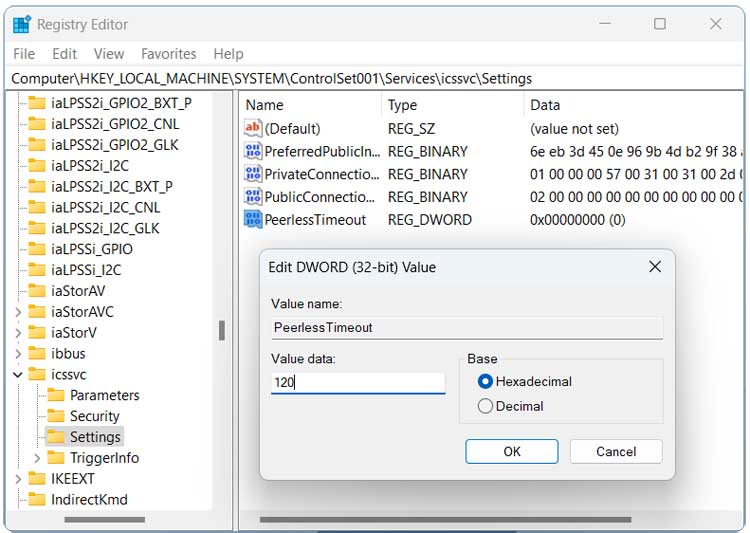
HKLM\System\ControlSet001\Services\ICSSVC\Settings
3. Create the PeerlessTimeout Value
Then under the Settings key, create a new Dword (32-bit) Value called PeerlessTimeout by right clicking on Settings or in a blank area to the right. Make sure you type the name exactly as shown with no spaces. Select the 32-bit option even if you run a 64-bit operating system.
4. Change the Value Data to 120
Then double click on PeerlessTimeout and change its value to 120. Setting this data to 120 extends the timeout threshold to two hours. Click OK to save your new registry entry.
5. Restart Your Computer
It may be a good idea to restart the computer or at least restart Windows Explorer to make sure the changes take effect. Your operating system needs to reload the registry into memory. Test your hotspot connection after the reboot completes.
For additional training resources, check out our online IT training courses.
Check out our extensive IT book series.