Last Updated on October 20, 2026
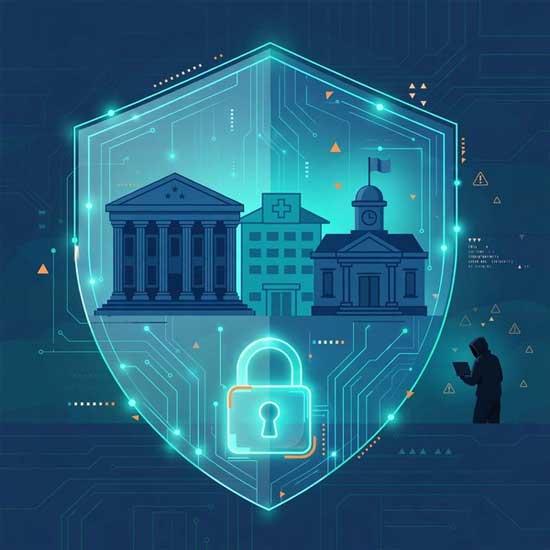
Cyberattacks aren’t just a problem for big businesses. Public sector organizations are increasingly finding themselves in the firing line, and the consequences can be particularly serious. When a government department, hospital, or local authority experiences a security breach, it’s not just money that’s at stake. Essential services can be disrupted, sensitive information can be exposed, and public trust can take a hit.
So, what are the biggest cybersecurity threats facing the public sector, and what can organizations do to protect themselves?
Ransomware Attacks
Ransomware is one of the most disruptive threats facing public sector organizations. It works by encrypting files or locking users out of systems, with attackers demanding payment to restore access.
For organizations providing essential services, the consequences can be enormous. Imagine a hospital unable to access patient records or a local authority struggling to process important applications. Even a temporary shutdown can cause serious problems.
Regular data backups, updated security software, and a clear incident response plan can help organizations reduce the damage caused by ransomware attacks.
Phishing And Social Engineering
Sometimes, cybercriminals don’t need sophisticated technology to break into a system. They simply need someone to click the wrong link.
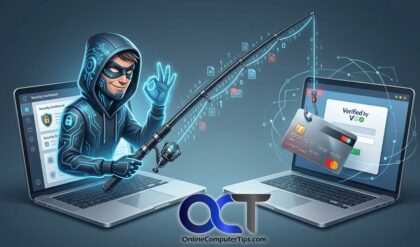
Phishing emails often appear to come from trusted colleagues, government departments, or legitimate service providers. Their goal is to trick employees into revealing passwords, downloading malicious attachments, or sharing confidential information.
With public sector employees handling large volumes of correspondence every day, it’s easy to see how something suspicious might slip through. Regular cybersecurity awareness training, email filtering, and multifactor authentication can help reduce these risks.
Outdated Technology And Legacy Systems
Many public sector organizations still rely on older technology that wasn’t designed to deal with today’s cybersecurity threats. Unfortunately, replacing these systems isn’t always straightforward, particularly when budgets are tight and services need to remain operational.
However, outdated software can contain vulnerabilities that criminals know how to exploit. Unsupported systems may also stop receiving important security updates.
Investing in modern IT for public bodies can help organizations deal with these challenges by improving their technology infrastructure, strengthening security, and supporting more reliable public services.
Insider Threats And Human Error
Not every cybersecurity incident starts with an external attacker. Sometimes, problems originate within an organization, whether through deliberate actions or simple mistakes.
An employee might accidentally send confidential information to the wrong recipient, use a weak password, or access sensitive files on an unsecured device. In other situations, someone with authorized access might intentionally misuse information.
Public sector organizations can reduce these risks by limiting access to sensitive data, reviewing user permissions regularly, and providing employees with practical guidance on handling information securely.
Supply Chain Cyberattacks
Public sector organizations rarely operate independently. They depend on external technology providers, contractors, and other partners to deliver their services.
Unfortunately, these relationships can create additional cybersecurity risks. If a third-party supplier experiences a breach, attackers may be able to access connected systems or compromise shared information.
Before working with suppliers, organizations should assess their cybersecurity practices and establish clear expectations around data protection and incident reporting.
Distributed Denial-of-Service (DDoS) Attacks
Public sector websites and online services need to be accessible around the clock, but cybercriminals can deliberately overwhelm them with traffic to make them unavailable. These incidents, known as Distributed Denial-of-Service (DDoS) attacks, can prevent people from accessing essential government information, submitting applications, or using important online services.
Although these attacks don’t necessarily involve stealing data, the disruption they cause can be incredibly frustrating for both employees and the public. They can also damage confidence in an organization’s ability to provide reliable digital services.
To reduce the risk, public sector organizations should consider DDoS protection services, traffic monitoring tools, and contingency plans that help keep essential services running during an attack.
Building Stronger Cybersecurity Defenses
Cybersecurity threats aren’t going away, and public sector organizations can’t afford to treat them as an afterthought. With essential services and sensitive information at stake, prevention needs to be a priority.
By keeping technology updated, educating employees, reviewing third-party risks, and investing in stronger security measures, public bodies can build resilience and continue delivering the services people depend on.