Last Updated on May 17, 2026
One of the easiest ways to create a new files or folder in Windows is to right click where you would like that file or folder to be, choose New and then choose folder or choose which type of new file you would like to create. The options you have for file types will vary depending on what programs or apps you have installed on your computer. You should have all the Windows default file types such as Bitmap image, Text document or Compressed (zipped) folder. But if you have Microsoft Office installed, you should also have choices for Word Documents, PowerPoint presentations and Excel Worksheets.
Many times, you will find that you are missing one of these MS Office file types under your right click New menu which will require you to find a different way to create a new Office file in the location of your choosing. Its common to be missing the New Microsoft Excel Worksheet option and in this article, we will be showing you how to restore the right click new Microsoft Excel worksheet context menu option.

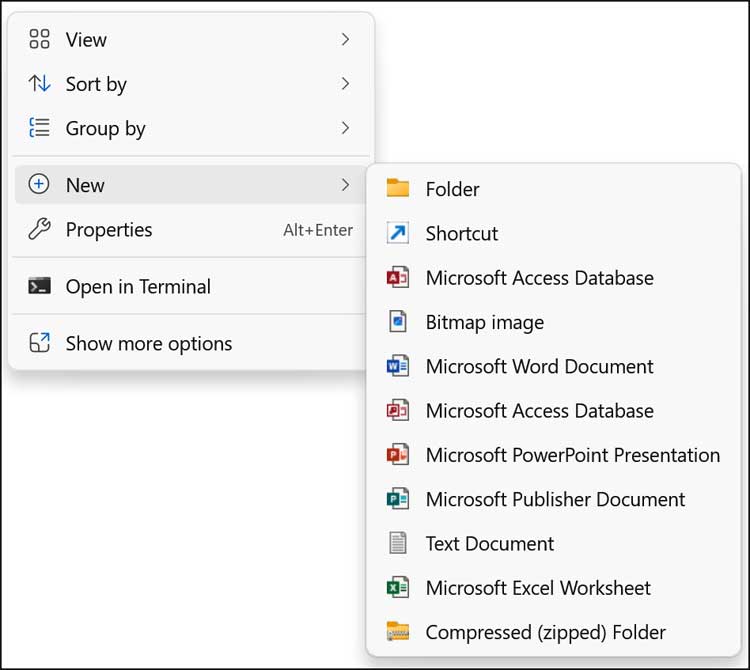
The image below shows how your right click New menu should look if you have Microsoft Office installed. You may find that you have some of the choices such as Word or PowerPoint but are missing the new Microsoft Excel Worksheet context menu option.
1. Open the Windows Registry Editor
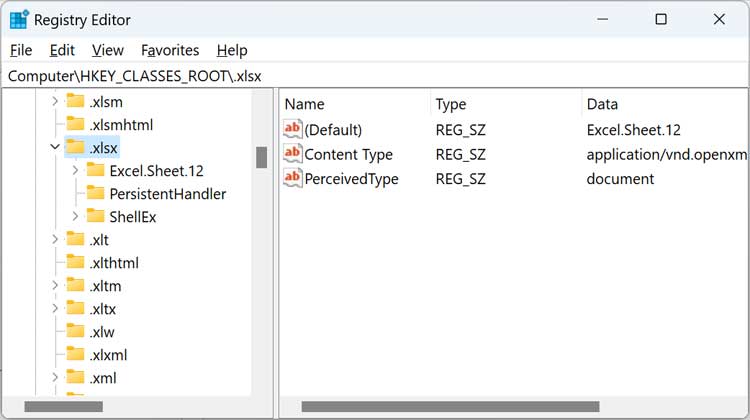
Fixing this problem requires making targeted changes to your system settings. The first thing you need to do is open the Windows Registry Editor. Search for regedit in the main Windows search box. Hit enter and grant the application administrative permissions. You will need to expand the Computer\HKEY_CLASSES_ROOT folder at the very top of the left pane. Scroll down the massive list and search for the .xlsx key folder.
2. Locate or Create the Excel.Sheet.12 Key
Now you will need to look for the Excel.Sheet.12 key directly under .xlsx. Sometimes this key gets wiped out during a software update. You can easily fix this if you do not have this key. Right click on .xlsx and choose New followed by Key. Type in or paste in Excel.Sheet.12 exactly as shown here and press enter. You should see the PersistentHandler and ShellEx keys already sitting here.
3. Build a ShellNew Registry Key
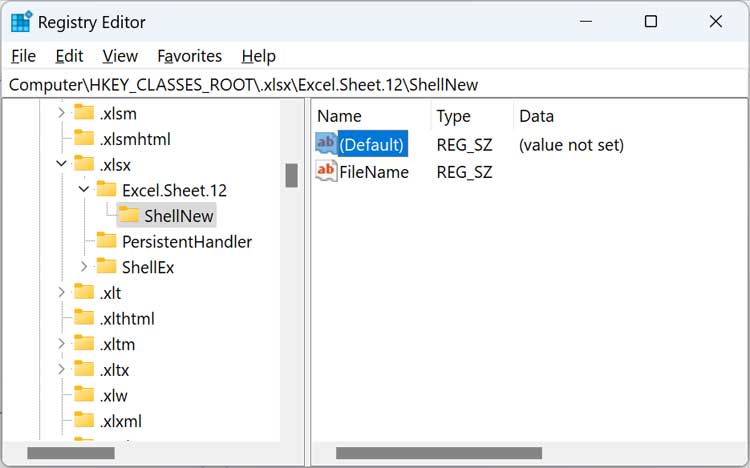
You must tell Windows to build a new shell item for this file type. Look right under the Excel.Sheet.12 key you just verified. You need to create another new key named ShellNew spelled exactly as shown. Once you create that key, you should have the Default string value load automatically. Right click on ShellNew or on any blank area under Default. Choose New followed by String Value and type or paste in the name FileName.
4. Assign the Target Value Data
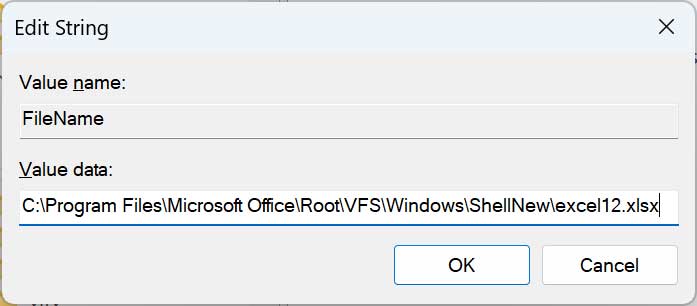
Now you can double click this new FileName string value to modify it. A small text box will open up. Add the exact path to the Value data box to tell Windows where to look. Paste in C:\Program Files\Microsoft Office\Root\VFS\Windows\ShellNew\excel12.xlsx and click OK. This points the registry to the actual template file required to spawn a blank spreadsheet.
5. Verify the File Explorer Path
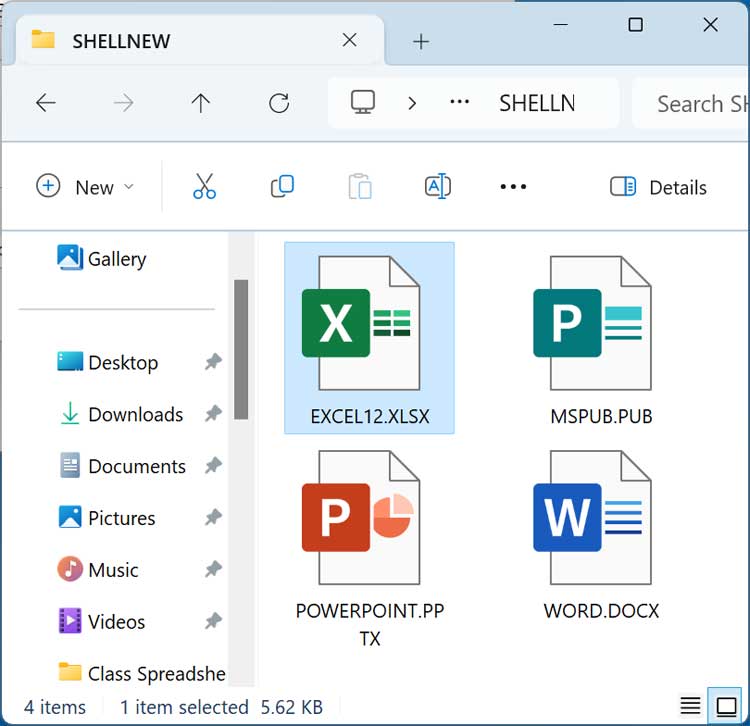
The next step involves browsing to that exact same folder path. You will do this from File Explorer itself instead of the registry. You cannot just rely on the registry entry alone. The physical template file must exist on your hard drive. Simply copy and paste C:\Program Files\Microsoft Office\Root\VFS\Windows\ShellNew\ directly into your File Explorer address bar and hit enter.
6. Create the Blank Excel Template File
Check the contents of this folder carefully. You need to make sure you have an Excel file in this folder called EXCEL12.XLSX in all caps. Missing this file ruins the shortcut. Open Microsoft Excel if you do not see it. Create a new blank spreadsheet and save it as EXCEL12.XLSX directly into this folder. After performing these steps, you should now have the right click New Microsoft Excel Worksheet context menu option back.
Here is how you can fix the missing right click New Word Document issue.
For additional training resources, check out our online IT training courses.
Check out our extensive IT book series.