Last Updated on October 9, 2026
Outlook .msg file types are proprietary file formats used by Microsoft Outlook to store email messages, attachments, and other related data. These files contain all the information associated with an email, including sender and recipient details, subject, message body, and any attached files or embedded images. .msg files are binary files and can normally only be opened and viewed using Microsoft Outlook or compatible email clients. They are commonly used for archiving, backup, and sharing individual email messages or entire email folders. Additionally, .msg files retain metadata and formatting information, making them suitable for preserving the original appearance and structure of emails for future reference or legal compliance purposes.
One thing you can do within Outlook is forward an email message as a .msg file attachment to someone else. If the person you are sending the message to does not have Microsoft Outlook installed on their computer, they will not be able to view the attached message immediately. Attempting to open the file without the proper software simply produces an error screen.
Using a Software Application to Open .msg Files
1. Download CoolUtils Mail Viewer
The first method involves using a free program called CoolUtils Mail Viewer that can open .msg files perfectly. It can also handle other types such as .eml, .vcf, .icc, .p7m, .emlx and .dat formats. Once you download the software, you will need to install it before you can start using it to read your messages.
2. Configure the File Associations
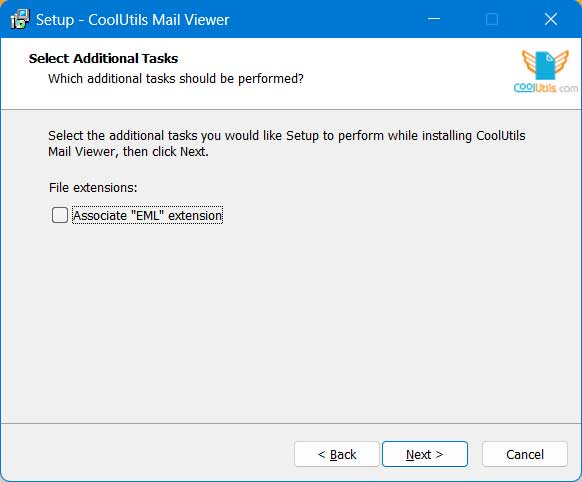
During the installation, you may be asked if you want to explicitly associate EML file extensions with the program. You might not want to do this just in case you end up installing Outlook later down the line. You will want Outlook to remain the default program for .eml files to prevent future conflicts.
3. Open Your Target Email File
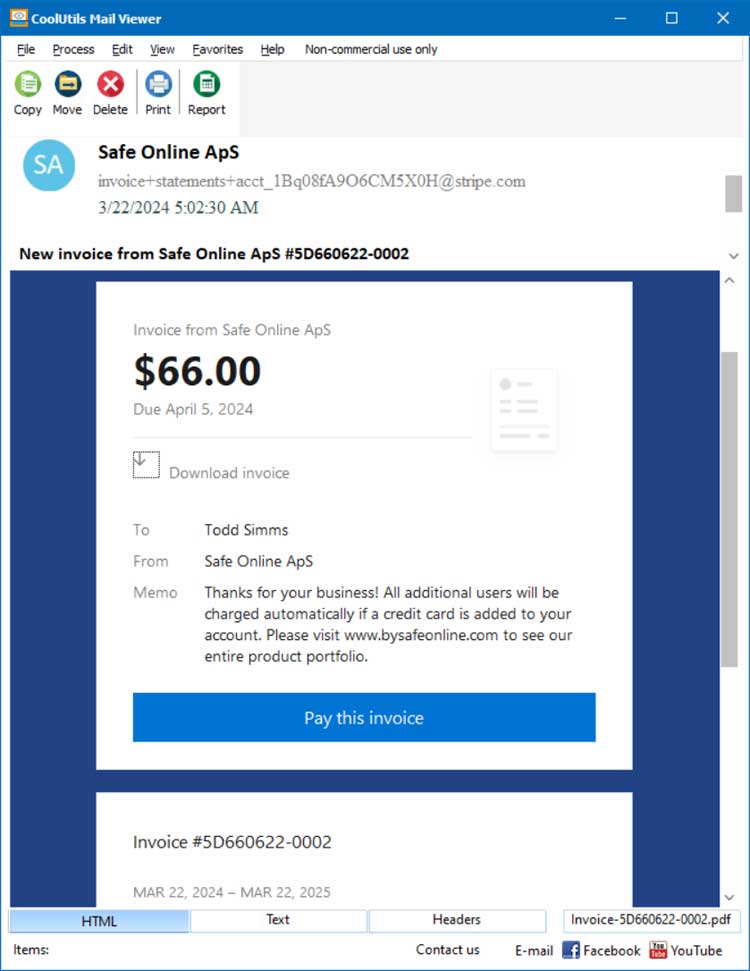
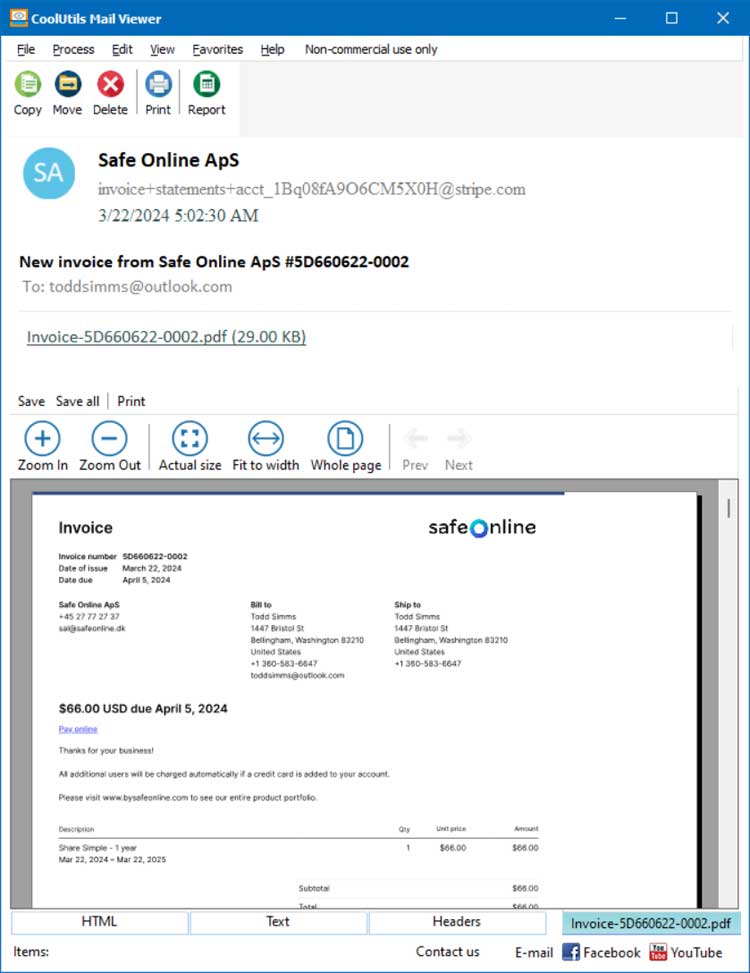
After you install CoolUtils Mail Viewer, all you need to do is run it and open an email file directly from the File menu. You will then be able to clearly view the contents of the email as well as any images embedded within that email. The interface looks exactly like a traditional email client.
4. Toggle the Viewing Options
At the bottom of the screen, you will have specific options to view the email using HTML format which is the default setting. You can also view it strictly as plain text to strip away messy formatting. The Headers section will cleanly show you the routing headers for that message in case you need to view that type of technical information.
5. Access Embedded Attachments
If there is a file attachment within the .eml message file, it will be shown at the bottom of the window as well. You can then click on it to instantly view the attachment right within the program. You can also securely save and print the attachment from this screen if needed.
Using a Website to Open .msg Files
1. Navigate to the Viewer Tool
The next method to open a .msg file without Microsoft Outlook involves uploading it to a website called encryptomatic.com. They offer a completely free online email message file viewer and its very simple to use. This saves you from having to download and install a dedicated application.
2. Upload Your Target File
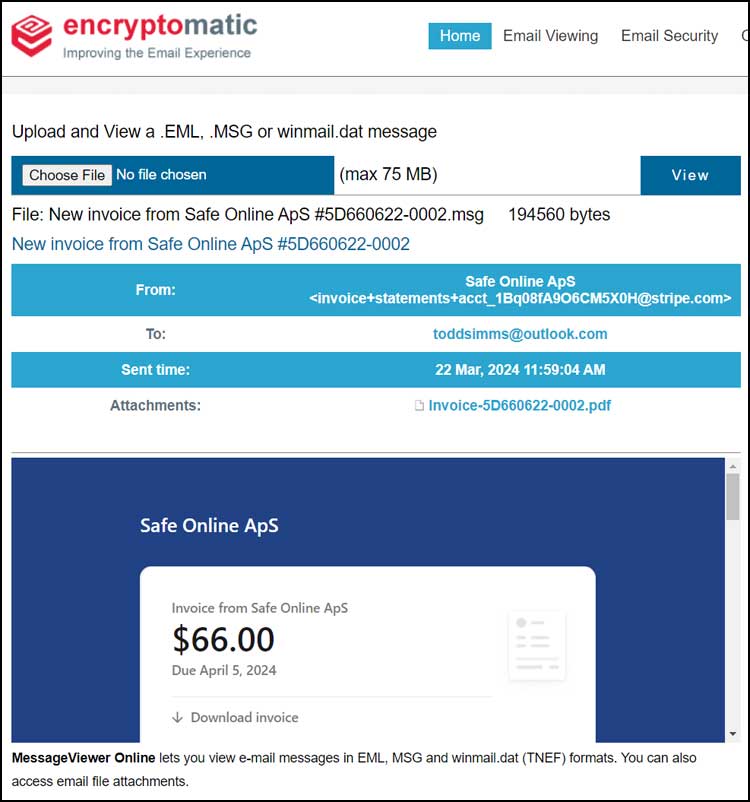
Once you go to the website, all you need to do is click on the Choose File button. Upload your .msg file to their server to be processed. Then you can click on View to see the email message rendered directly in your web browser.
3. Consider Your Privacy Options
If you think this specific email might contain highly sensitive personal information, you may not want to use this website. You are actively uploading your private data to a third-party server. You should rather use the local CoolUtils Mail Viewer app instead to guarantee your privacy.
4. Download Your Attachments
If there is an attachment within the message file, you will clearly see that listed in the Attachments section. When you click on the attachment link, it will prompt you to download the file to your computer. You can securely open the attachment from your local downloads folder.
For additional training resources, check out our online IT training courses.
Check out our extensive IT book series.