After years of pushing artificial intelligence deeper into Windows 11, Microsoft is now shifting its course. Multiple recent reports paint a consistent picture: the company is scaling back intrusive AI features, rethinking controversial tools like Recall, and pausing its “AI everywhere” strategy to refocus on stability and core user experience. It’s not a full retreat from AI, but it marks the most significant philosophical change in Windows development since Windows 10’s early update cycles.
The shift comes after months of sustained criticism from PC users, developers, and tech journalists. Many felt that features like Copilot buttons in Notepad, Paint, File Explorer, and other built‑in apps represented clutter rather than innovation. According to reporting from TweakTown, Microsoft is actively reviewing and possibly removing several AI additions, especially those placed in apps where they provide little real benefit.
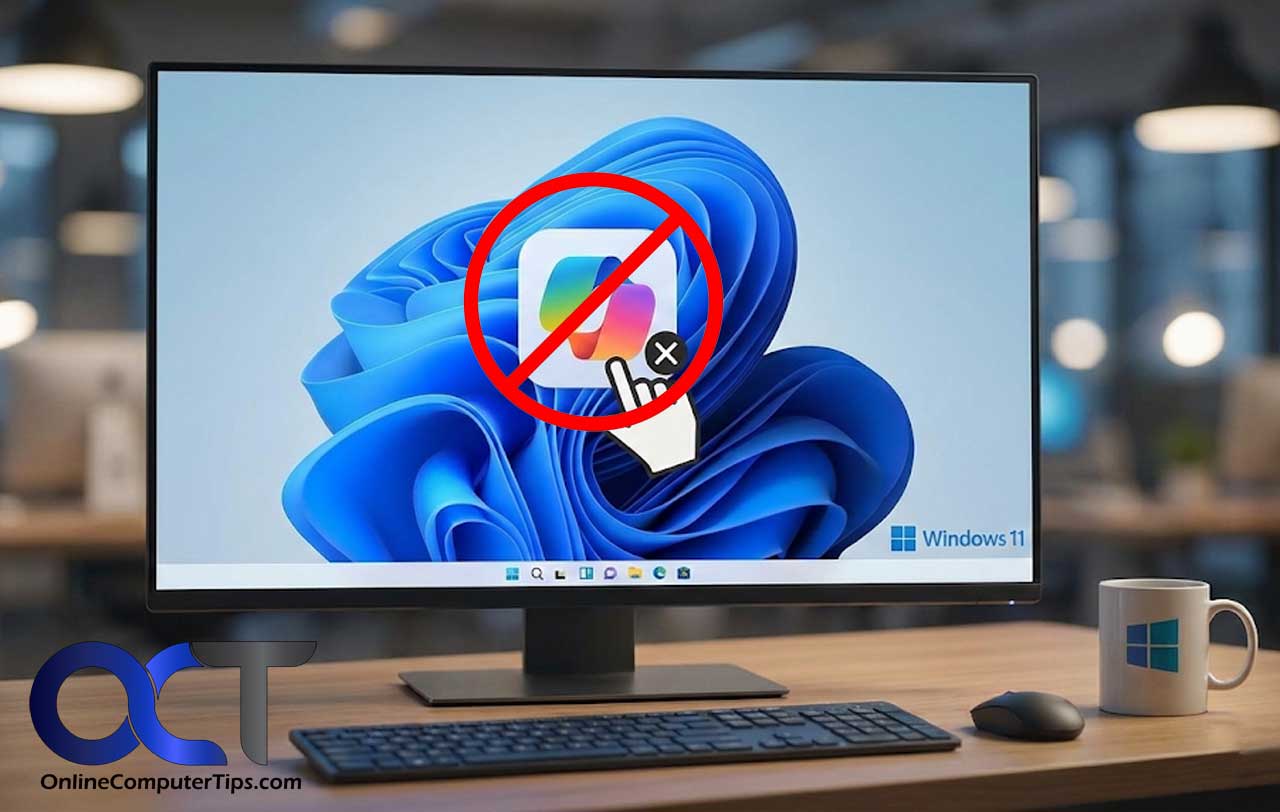
A major factor in this recalibration is the intense backlash surrounding the Recall feature, an AI‑powered tool intended to continuously screenshot activity for local search. Originally pitched as a convenience, Recall quickly became synonymous with privacy concerns. Critics argued the technology was simply too risky and too poorly explained, and Microsoft’s decision to place it under review reflects the scale of the pushback.
Meanwhile, Technobezz reports that Microsoft leadership has asked engineering teams to pause new Copilot integrations and focus instead on improving reliability across the operating system. This includes addressing long‑standing problems such as inconsistent performance, buggy updates, and user frustration over features being introduced before they’re ready.
The internal shift is notable because it responds directly to user sentiment. Windows Central’s coverage highlights how Microsoft’s “agentic OS” vision, an ambitious plan shared publicly in 2025, sparked widespread rejection from users who felt overwhelmed by constant AI additions. Microsoft seems to be listening. Developers within the Windows division are reportedly reevaluating every Copilot placement and reviewing whether certain integrations should remain at all.
This strategic adjustment is not without business implications. Tom’s Guide notes that Microsoft’s stock recently suffered its largest single‑day drop since 2020, with analysts citing uncertainty around Windows AI and user dissatisfaction as contributing factors. While this isn’t the sole cause of the shift, it likely reinforced internal pressure to reposition Windows 11 in a direction that restores user trust.
Neowin adds further detail by confirming that several specific AI features, particularly those in Paint and Notepad, are currently under review. Microsoft is also reconsidering how Recall may be repurposed rather than abandoned. The company’s internal data reportedly shows extremely low usage of newer Copilot buttons, raising questions about whether these additions justify their complexity.
Importantly, this is not a retreat from AI across the board. Backend technologies such as Semantic Search, Windows ML, and Windows AI APIs appear safe and continue to be core parts of the Windows roadmap. Microsoft isn’t walking away from AI; it’s trying to apply it more thoughtfully, especially in areas where it meaningfully improves the experience rather than distracting from it.
The broader takeaway is clear: users want stability first, and AI second. This moment marks a rare alignment between user feedback and corporate response. Microsoft’s decision to step back, review, and refine its approach shows a willingness to adjust strategy when innovation starts to feel burdensome instead of beneficial.
As Windows 11 moves toward its next major update cycle, this recalibration may result in a more balanced operating system, one where new AI features are introduced where they make sense, and not simply because they can be. If Microsoft follows through with this new direction, it could help repair strained relationships with long‑time PC users and set the stage for a more thoughtful evolution of Windows.