Last Updated on May 9, 2026
We all know how Microsoft likes to change things around, especially when they come out with a new version of Windows.
Even though many of the apps from the previous version of the operating system work just fine, they will still “update” it to add new features or just for the sake of calling it new.
Windows Media Player is a perfect example of a “if it ain’t broke, don’t fix it” update that Microsoft insisting on changing with Windows 11.

Many people are not a fan of the updated Windows Media Player app that comes with Windows 11. And Microsoft has also removed the word Windows from the name and just call it Media Player.
Why Stick With the Legacy Version?
The newer “Media Player” is fine for basic playback, but Microsoft stripped out a lot of the power-user tools that made the original software great.
For instance, the legacy version still supports CD ripping directly to MP3 or FLAC formats.
It also supports local network media streaming (DLNA) and features those classic audio visualizations we all remember from the Windows XP and Windows 7 days.
It is also much lighter on your system resources since it is a native Win32 program rather than a modern, sometimes sluggish UWP (Universal Windows Platform) app.
How to Enable the Classic Windows Media Player
If you prefer to use the classic Windows Media Player in Windows 11 alongside the new Media Player app, it is very easy to enable.
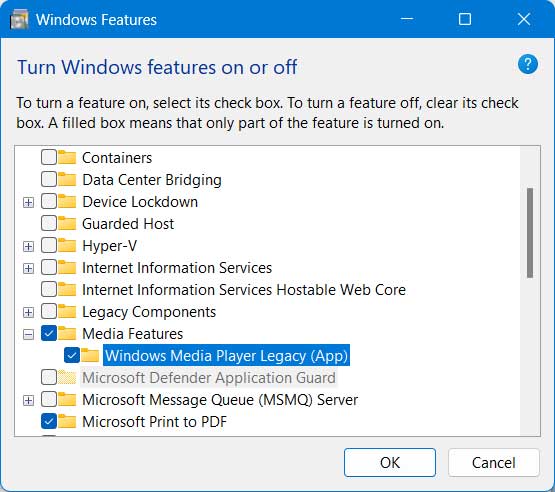
First, type the word “features” into your Windows search box on the taskbar.
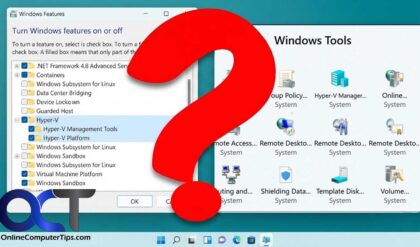
You should see an option pop up for the “Turn Windows features on or off” settings app.
From here, simply navigate down the list to Media Features, check the box next to Windows Media Player Legacy (App), and click the OK button.
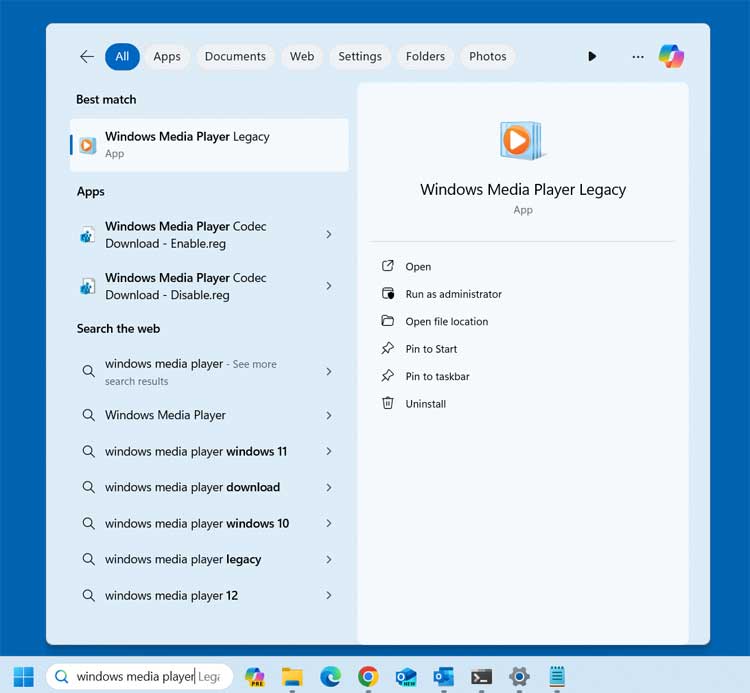
To open the classic Windows Media Player in Windows 11, you can do a search for “Windows Media Player” and it will show up in your results.
If you want to open the newer Media Player instead, you can do the exact same search without the word “Windows” in front.
You can also pin the classic app directly to your Start Menu or taskbar if you plan on using the legacy version on a regular basis.
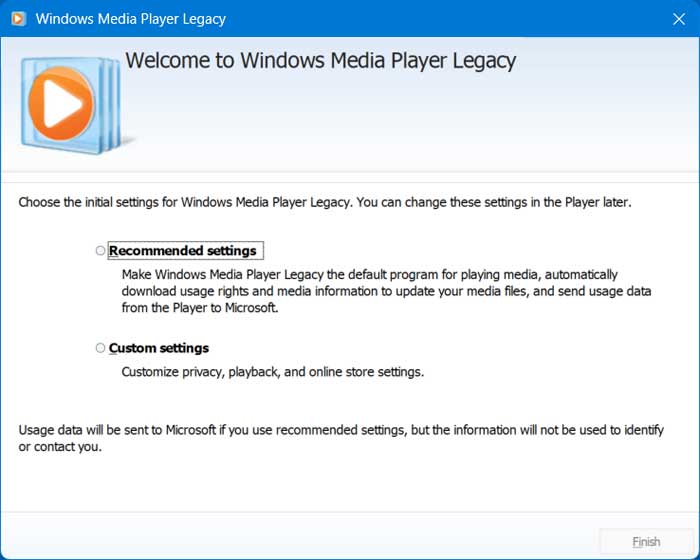
The very first time you open the classic Windows Media Player, you might be prompted to choose the initial settings for the app.
You can easily go with the Recommended settings option or take a minute to choose your own custom settings.
How to Make the Legacy Player Your Default
Once you have it enabled, Windows 11 will still stubbornly try to open your music and videos using the newer app.
If you want the classic player to handle your media automatically, you need to manually change your file associations.
Step 1: Open the Windows Settings app by pressing the Windows Key + I on your keyboard.
Step 2: Click on Apps on the left sidebar, then select Default apps on the right side of the screen.
Step 3: In the search box under “Set a default for a file type,” type the .mp3 extension.
Step 4: Click the icon currently assigned to it, which is likely the new modern Media Player.
Step 5: Choose Windows Media Player Legacy from the pop-up list and click the Set default button.
Step 6: Repeat this quick process for any other media formats you use frequently, such as .wav, .mp4, or .avi.
Once this initial configuration is complete, the classic Windows Media Player will load as your primary player.
It should also automatically load any music files you have sitting in your computer’s standard Music folder into its library.
Enable the Legacy Player via PowerShell (Advanced)
If you do not want to dig through the legacy Control Panel menus, or if you are an IT admin setting up multiple computers, you can enable the legacy player using a quick command.
Step 1: Right-click the Windows Start Button and select Terminal (Admin) or Windows PowerShell (Admin).
Step 2: Copy and paste the following command into the window: Enable-WindowsOptionalFeature -Online -FeatureName “WindowsMediaPlayer” -All
Step 3: Press Enter to execute the command.
Windows will automatically connect to the update servers, download the necessary files, and enable the feature quietly in the background.
You may be prompted to restart your computer once it completely finishes the process.
Windows Media Player Legacy FAQ
Can it still play physical DVDs?
Out of the box, Windows 11 does not include the necessary MPEG-2 decoders for DVD playback, even if you enable the legacy player.
You might need to install a third-party codec pack or use a dedicated program like VLC Media Player for physical movies.
Will a Windows Update delete the legacy app?
No, regular security updates will leave it alone since it is an official “Optional Feature” provided directly by Microsoft.
However, major version upgrades (like moving to a 24H2 or 25H2 build) might occasionally require you to re-check the box in the Windows Features menu.
Why do some modern video files only play audio?
The classic player was built long before newer video formats like HEVC (H.265) became the modern standard.
If you get a black screen with audio playing in the background, you will need to download the HEVC Video Extensions from the Microsoft Store to add support for those newer video codecs.
For additional training resources, check out our online IT training courses.
Check out our extensive IT book series.