Last Updated on October 17, 2026
By default, Microsoft forces all taskbar searches to open in the Edge browser using the Bing search engine, even if you have already set Google Chrome or Firefox as your default browser. This frustrates many users. They want their computer to respect their chosen settings.
To fix this and force the taskbar to respect your actual browser settings, you need to use a free, open-source tool called MSEdgeRedirect. Here is how to set it up perfectly. We will walk through the entire installation process step by step.
Quick Setup Guide for MSEdgeRedirect
1. Download the Application
Download the free MSEdgeRedirect app directly from GitHub. Grab the latest release from the developer page. Save it to your downloads folder.
2. Run the Installer
Run the installer and select Active Mode. This specific mode ensures the software runs efficiently in the background. It avoids modifying deep system files.
3. Configure Search Redirection
Check the boxes to redirect Bing Search and Bing Images to Google or your preferred search engine. This routes all taskbar queries to your favorite provider. You can customize this exactly how you want.
4. Finish the Installation
Finish the installation to instantly apply the changes. You do not even need to reboot your computer. The taskbar will immediately respect your default browser choice.
Why the Taskbar Ignores Your Default Browser
1. Test the Taskbar Search
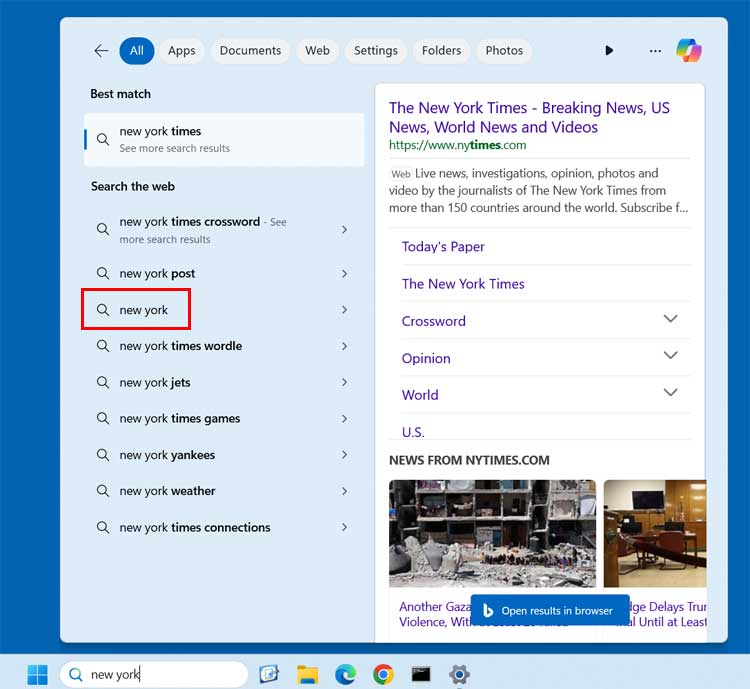
If you try typing a web search directly into the Windows taskbar, you will see a list of suggestions pop up. Microsoft designed this feature to keep you inside their ecosystem. It ignores your personal default application preferences completely.
2. Review the Default Behavior
Normally, clicking any of those web results automatically launches Microsoft Edge and loads Bing. Changing your default apps in the regular Windows settings menu will not stop this behavior. This is exactly why a third-party tool is required to override the system forcibly.

Configuring MSEdgeRedirect
1. Download the Installer
To take back control of your search bar, download the latest version of MSEdgeRedirect from their official GitHub releases page. Once downloaded, run the installer and accept the license agreement. The setup process is very straightforward and fast.
2. Select the Installation Mode
When prompted to choose an installation method, select Active Mode. This is the recommended setting because it runs quietly in the background without modifying your core system files. It intercepts the links safely and effectively.

3. Choose Your Edge Version
On the next configuration screen, check the box for Edge Stable. You only need to select different options if you actively use developer or beta versions of Edge. Most standard home users will stick with the stable release.
4. Set Your Preferred Search Engine
Under the Additional Redirections section, make sure you check the boxes for Bing Search and Bing Images. Set the dropdown menus to your preferred search engine, such as Google. This ensures that any taskbar search is instantly routed exactly where you want it.

5. Complete the Setup Process
Finish clicking through the installer to complete the setup. There is no need to restart your computer. To test if it is working, simply type a new search into your taskbar and hit enter.

You can download MSEdgeRedirect from GitHub under the Assets section here. As you can see, the taskbar search now correctly opens in Google Chrome or whichever browser you set as your default. It uses the Google search engine instead of Bing.
Troubleshooting and Common Questions
1. Is MSEdgeRedirect safe to use?
Yes. It is an open-source tool, meaning the underlying code is publicly available on GitHub for anyone to review. It is widely used by the IT community because it does not maliciously alter registry keys or break Windows updates. Instead, it simply intercepts the command-line requests that are meant for Edge and passes them directly to your default browser.
2. Will a Windows Update break this workaround?
Microsoft frequently patches Windows, and occasionally a major feature update will try to reset taskbar behaviors. They sometimes patch the specific methods third-party tools use to redirect links. If your taskbar suddenly reverts to opening Edge after a Windows update, you usually just need to download the newest version of MSEdgeRedirect. Run the installer again to restore the functionality fully.
3. Can I redirect Windows widgets and Copilot too?
Yes. During the installation process shown above, the Additional Redirections screen includes options to redirect Windows Widgets, PDF viewers, and even the Windows Copilot features. Checking those specific boxes ensures that absolutely no web traffic is forced into Microsoft Edge against your will. You maintain total control over your desktop environment.
For additional training resources, check out our online IT training courses.
Check out our extensive IT book series.