
Last Updated on October 10, 2026
When it comes to surfing the web, there are many web browsers to choose from and each one has their own unique set of features that are designed to enhance your online experience. Two of the most popular web browsers, at least for Windows users are Microsoft Edge and Google Chrome with Edge being the built in browser that comes with Windows.
One feature that both of these browsers have is the ability to use the internet without the browser itself keeping track of where you have been. This means that when you close your browser, it will not keep any history, cookies, cached images, usernames, passwords and so on. This privacy only applies to your computer and not to things such as network traffic at work and your ISP. For Microsoft Edge users, this private browsing mode is called InPrivate mode.
Edge also has a feature called Guest mode where you can browse as a guest. This is similar to InPrivate mode and comes in handy when you are on another person’s computer because Guest mode opens in a new window, and your browsing data is kept separate from the profiles on the computer. Then when you close the browser, your history, downloads, cookies and other website data are then deleted.
You cannot save any favorites in Guest mode but you can in InPrivate mode. InPrivate mode will also offer suggestions from your browsing history where Guest mode will not. If you are an Edge user and want to prevent your computer users from using the InPrivate or Guest mode feature, then you can do so with a simple registry edit. Then if you change your mind, you can restore this functionality to the browser at any time.
Accessing Private Browsing Features
1. Open a New InPrivate Window
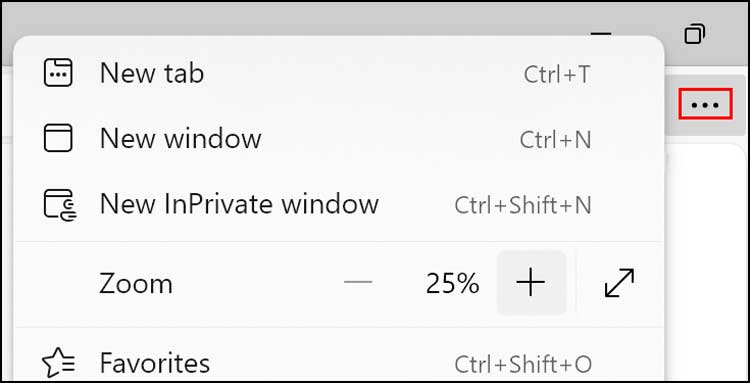
If you do not know how to access InPrivate mode in Edge, all you need to do is click on the ellipsis (…) at the upper right corner of the window. Choose New InPrivate window from the menu options. Edge will instantly open a new window with the private browsing mode enabled. Your activity in this specific window stays off your local history logs.
2. Launch a Guest Browsing Session
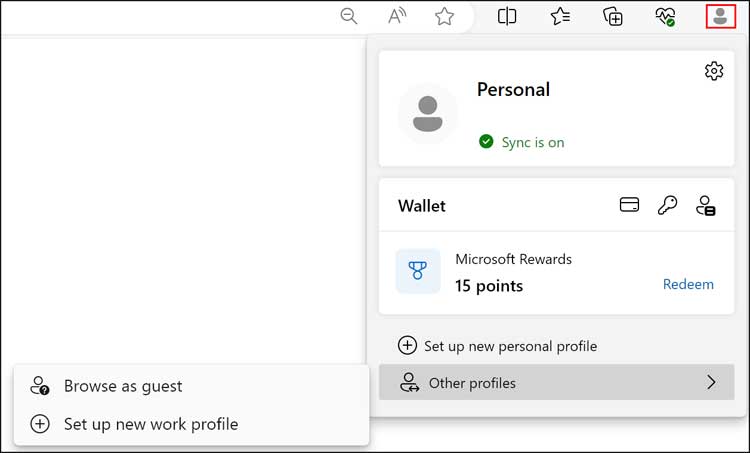
To open a Guest browsing session, simply click on your profile picture at the upper right side of the screen. Then choose Other profiles followed by Browse as guest. This launches a clean slate session separate from your saved bookmarks and passwords. It protects your main account data from temporary users.
3. Review the Guest Mode Notifications
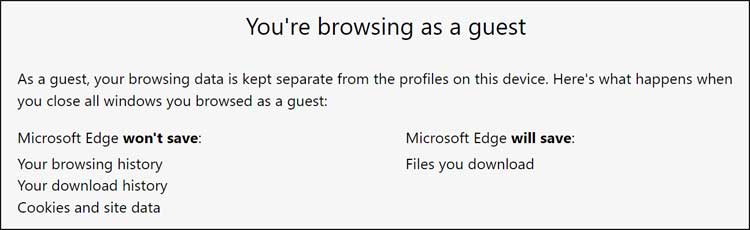
You will then be shown exactly what happens during a guest browsing session. The browser displays a clear prompt explaining what data gets saved and what gets erased. This confirms you are browsing securely without leaving a permanent footprint on the machine.
Disabling and Enabling Modes via Command Prompt
1. Open the Command Prompt Tool
First, you will need to be logged in with an administrator account or know the credentials of one. It requires admin access to perform these system-level steps. You will need to open a Windows command prompt by doing a search for cmd in your taskbar. Open the tool from the search results to begin the registry modifications.
2. Enter the InPrivate Mode Commands
Now all you need to do is choose which action you wish to take. You can disable InPrivate mode using one command and then enable it again using the other. Copy the text in bold below and then paste it into the command prompt window. Most of the time, after you copy the text all you need to do is right click within the command prompt window and it will be pasted in there for you. If not, you can click on the top left corner, choose Edit and then Paste.
3. Execute the InPrivate Registry Edit
To disable the feature, paste the following prompt and press enter.
REG ADD HKLM\SOFTWARE\Policies\Microsoft\Edge /v InPrivateModeAvailability /t REG_DWORD /d 1
To reverse this and enable the feature again, paste the following prompt and press enter.
REG DELETE HKLM\SOFTWARE\Policies\Microsoft\Edge /v InPrivateModeAvailability /f
The command prompt will confirm the operation completed successfully.
4. Enter the Guest Mode Commands
To disable guest browsing mode in Microsoft Edge, you will use the exact same process. Copy and paste the following prompt and press enter.
REG ADD HKLM\SOFTWARE\Policies\Microsoft\Edge /v BrowserGuestModeEnabled /t REG_DWORD /d 0
To enable browsing as a guest again, paste the following prompt and press enter.
REG DELETE HKLM\SOFTWARE\Policies\Microsoft\Edge /v BrowserGuestModeEnabled /f
5. Restart Windows Explorer
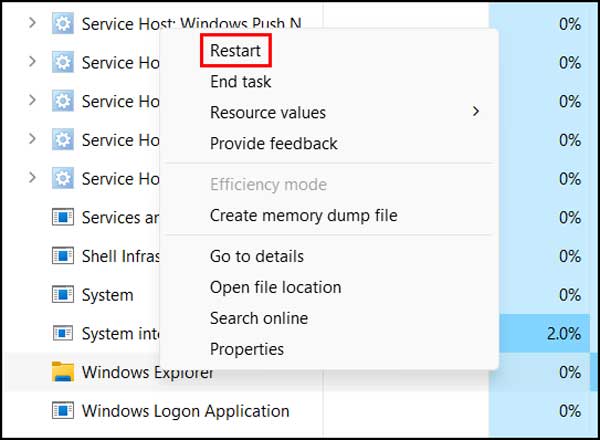
In order for the change to take effect, you can either restart the computer or restart Windows Explorer. To restart Windows Explorer, right click on a blank area of the taskbar and choose Task Manager. Then find Windows Explorer in the list, right click it, and choose Restart. You will see your taskbar icons disappear and then come back. If you have any File Explorer windows open, make sure you close them first so you know you are restarting the right instance of Windows Explorer.
6. Test Your Edge Browser
You can then test your computer to make sure the change has taken effect. Open Edge and see if you can start a new InPrivate or Guest browsing session. The options should be missing from the menus. To reenable InPrivate or Guest mode, just repeat the process with the enable version of the command.
For additional training resources, check out our online IT training courses.
Check out our extensive IT book series.