Last Updated on April 30, 2026
Google Chrome is one of the most popular web browsers in use today and has many features that help to keep it on top when it comes to the battle of web browser supremacy. If you are a Chrome user, you most likely have gone into the settings to do things such as change your home page, clear your history or manage your browser extensions.
One common issue you might come across while in the Chrome settings is a message that says Your browser is managed by your organization. If you use Chrome at work or at school, you might be seeing this message because your computer is managed by your IT department, and they do not want their end users making changes to their computers. If this is a home computer, you might be seeing this message if you installed something on your computer such as a browser extension or you inadvertently made a change to Chrome itself. In this article, we will be showing you how to remove the Your browser is managed by your organization message in the Google Chrome settings.

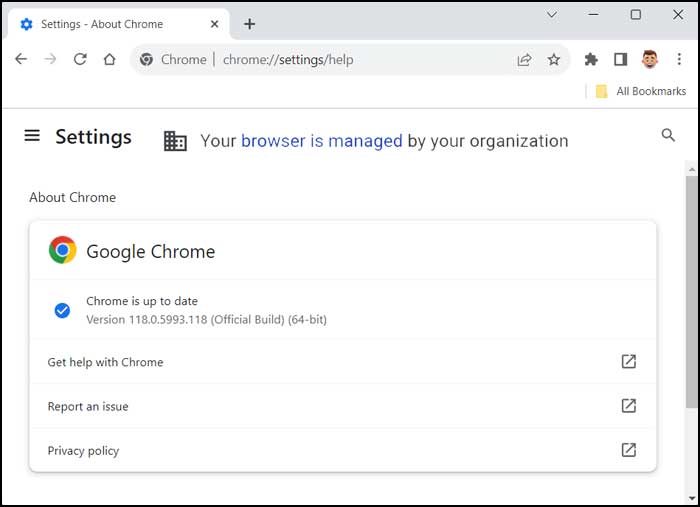
When you are on one or more of the Chrome settings pages, you will see the Your browser is managed by your organization message at the top of the page. This notification typically sits right under the main header. It blocks certain features from being modified by the local user.
Disabling the Managed UI Flag
1. Open the Chrome Flags Menu
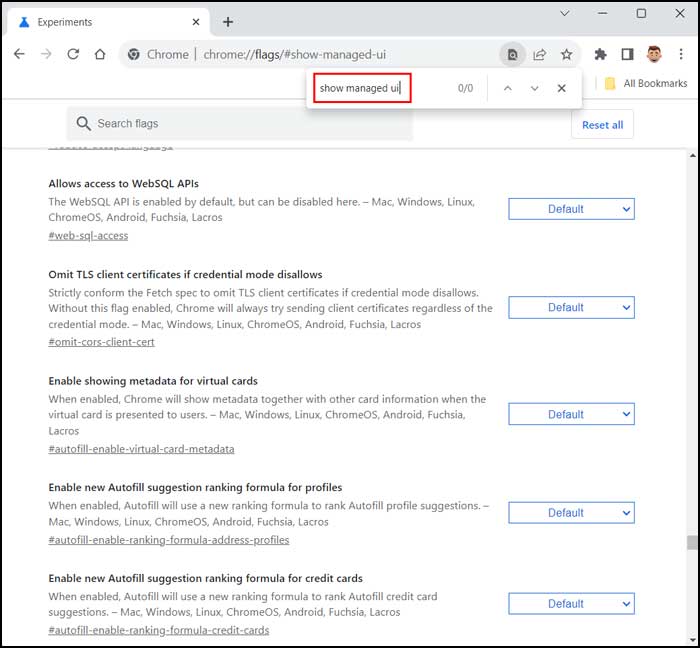
One thing you can check is to see if you have the Show Managed UI feature enabled in Chrome. You can access this hidden developer menu by typing chrome://flags/#show-managed-ui directly into the address bar. Press enter to load the experimental features page.
2. Search for the Specific Flag
Use the search box at the top of the page. Search for the exact phrase show managed ui to filter the massive list of options. The setting should appear highlighted in yellow at the top of your screen.
3. Disable the Setting
If you find this feature and its enabled, you can then try to disable it. Click the dropdown menu next to the flag and change it from Default or Enabled to Disabled. Restart Chrome to see if it removes the Your browser is managed by your organization message.
Checking Active Chrome Policies
1. Load the Internal Policy Page
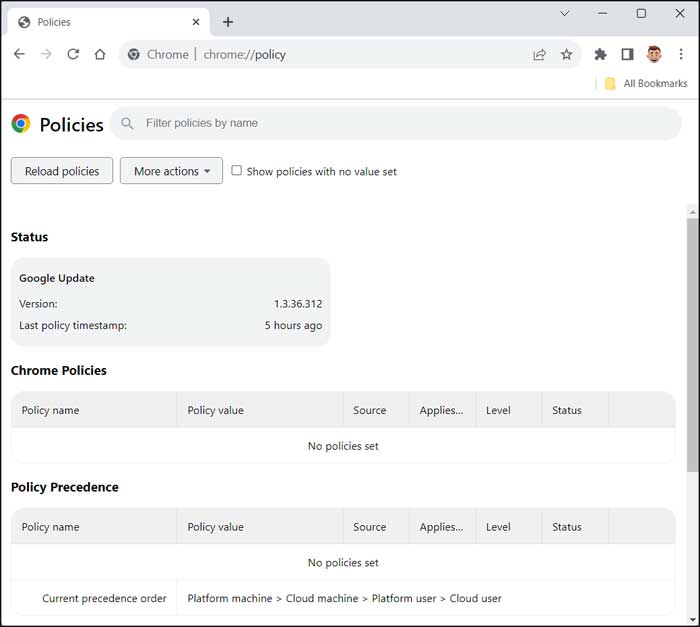
Another thing you can check for is to see if you have any policies applied to Chrome that should not be there. To check, you can type in chrome://policy/ in the address bar. Press enter to be taken to the active policies page.
2. Review the Applied Rules
Look closely at the list of generated rules. If you see anything that you don’t think belongs there, you can make a note of its name. You will use this exact policy name in the next registry editing step.
Removing Chrome Policies via the Registry Editor
1. Launch the Windows Registry Editor
For the next step, you will need to open the Windows Registry Editor. Type regedit in the Windows search box on your taskbar. Click the app icon and grant it administrative privileges to proceed.
2. Navigate to the Chrome Policy Key
Then you will need to navigate to the following registry key. You can manually click through the folders on the left side of the screen. You can also copy and paste the text below directly into the registry editor address bar.
3. Access the Target Folder
Paste HKEY_LOCAL_MACHINE\SOFTWARE\Policies\Google\Chrome into the bar and press enter. This jumps you directly to the active browser rules. If you had any polices set in the previous step, they should show up here on the right side of the window.
4. Delete Specific Rogue Policies
You can try to delete any policies you don’t think you need. Right click on the policy name such as IncongitoModeAvailabilty in the example below. Choose Delete from the context menu to remove the restriction.
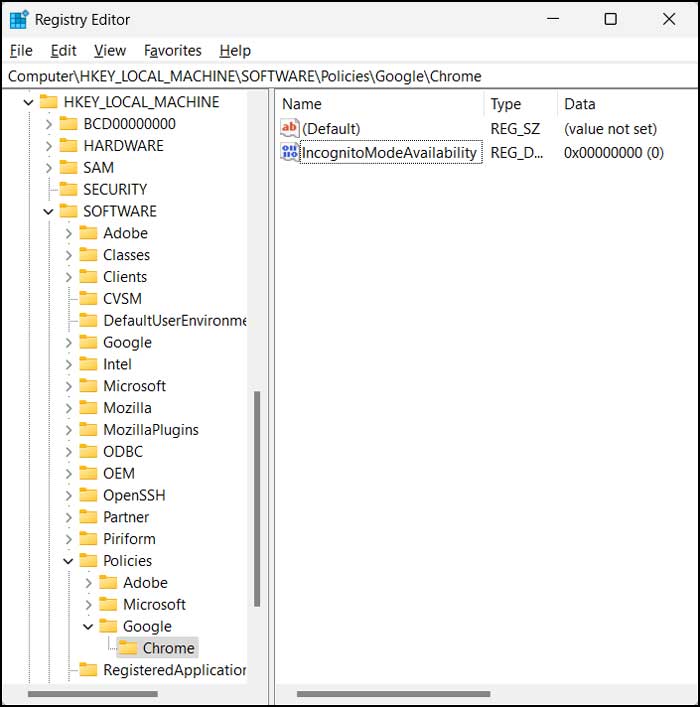
You can also take a much more aggressive approach. You can delete the entire Chrome folder key itself if you do not need anything that is in it. Right click on the Chrome folder icon on the left pane and choose Delete.
Verifying the Fix
1. Restart Your Web Browser
You can then restart Chrome to apply the registry changes. Close all open tabs and windows. Launch the application fresh from your desktop shortcut.
2. Confirm the Message is Gone
Go back to the main browser settings menu. Look at the very top of the page. You should see if the Your browser is managed by your organization message in the settings has been completely removed.
For additional training resources, check out our online IT training courses.
Check out our extensive IT book series.