Last Updated on March 13, 2026
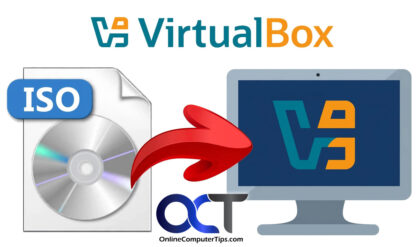
If you are any type of PC power user then there most likely was a time when you needed to boot your PC or server from something besides the hard drive to either get it running again or to install an operating system such as Windows or Linux. For the most part people tend to use CDs or DVDs to boot from and use ISO files and CD\DVD burning software to create bootable disks from using that ISO file. An ISO file is a single file similar to a zip file that contains all the individual files required to make a complete CD or DVD after they are extracted and burned to a disk. Keep in mind that you don’t have to burn an ISO file to a CD or DVD to be able to use it. Many third party programs like WinRAR will allow you to extract the files to your hard drive.
Now you may run across a time when the computer you need to boot from using the ISO file doesn’t have a CD/DVD drive or you may not have the software handy to burn the ISO to disk or maybe not even have any blank disks to burn to. If that’s the case then most newer computers and many older ones will let you boot off of a USB device such as a flash drive. This way all you need to do is copy the ISO file to the flash drive and put it in the computer and you are off to the races. But the catch will be that the USB drive will need to be made bootable before you can do this.

Rufus is a free utility that will make a USB flash drive bootable allowing you to boot your computer off of that flash drive like it was a bootable CD or DVD. Rufus can be used with Windows, Linux and other operating systems that can boot off an ISO file. All you need to do to get things going is have your USB drive in your computer and have your ISO file on your computer where you can get to it. Run the Rufus executable file and you will be able to customize your settings depending on what type of computer you are attempting to boot.

Configuring Your Bootable USB Drive Settings
1. Select Your Target Device
The first section at the very top of the application is the device category. Rufus should find your connected USB drive automatically and populate the box. If you have more than one flash drive plugged in you can select the correct one from the dropdown list. Always verify the drive letter so you do not accidentally format the wrong storage device.
2. Choose Your ISO Image File
Look directly under the boot selection header to find the SELECT button. Click this button to open a standard file explorer window on your computer. Browse to the exact folder where you saved your downloaded ISO file. Double click the ISO file to load it directly into the Rufus application.
3. Set the Partition Scheme
The partition scheme will vary depending on the specific computer you are booting. Modern Windows 11 installations require the GPT partition scheme paired with a UEFI target system. Older legacy computers might require you to switch this dropdown menu to the older MBR partition scheme. The first default option should work perfectly for most modern applications.
4. Adjust the Format Options
You can change what file system the USB drive will be formatted with as well as the cluster size. Rufus will automatically make a volume label based on the official name of the ISO file. You can easily delete this text and change this if you like. Leaving the file system on NTFS or FAT32 based on Rufus’s automatic recommendation is usually the safest choice.
5. Start the Drive Creation Process
When you have everything set perfectly click on the START button at the bottom of the window. A warning box will pop up alerting you that all data currently on the flash drive will be permanently wiped. Click OK to proceed and watch the green status bar at the bottom until it is done. It may or may not say finished when complete, but it will display a solid READY bar when the operation finishes.
Booting From Your New Flash Drive
1. Change the System Boot Order
Now you can take your newly created bootable USB flash drive over to the computer you are working on and try it out. Keep in mind that you may have to go into the computer’s BIOS/UEFI settings to change the boot order or allow USB booting. You must force the motherboard to look at the USB ports before it attempts to load the internal hard drive.
2. Load the Operating System Installer
Restart your computer with the flash drive securely plugged into a primary USB port. The system should detect the bootable media and immediately load the installation environment. You can download Rufus directly from their official website and try it out yourself.
For additional training resources, check out our online IT training courses.
Check out our extensive IT book series.