Last Updated on May 2, 2026
If you are using your computer in a public location, such as a workplace lobby or a retail counter, you may have a specific need to have the screen stay on and visible. However, you also need to prevent random people from accessing or using the computer.
This is incredibly necessary if you want to play a looping video or run a custom PowerPoint presentation for the public to see. You want them to absorb the information, but you don’t want them to be able to touch the keyboard or mouse and mess up the display.

Sure, you could physically unplug and remove the keyboard and mouse from the back of the tower. But that means you will not be able to easily use the computer yourself when you need to update the presentation, which causes unforeseen problems and delays.
In this article, we will be showing you how to completely lock the keyboard and mouse on your PC using software, while leaving the screen on and active. This way, you can leave your peripherals physically connected to the machine, but nobody else will be able to trigger any inputs.
Common Reasons to Lock Your Keyboard and Mouse
While public presentations and automated “Kiosk” setups are common business reasons to lock a computer’s inputs, home users frequently need this exact functionality as well.
Protecting Your System from Toddlers and Pets
If you are watching a movie or monitoring a long rendering process on your screen, a toddler walking up and pressing keys can disastrously interrupt your system. Similarly, a cat walking across your keyboard can easily close your active windows or pause your media.
Cleaning Your Peripherals Safely
It is highly recommended to clean your keyboard and mouse regularly with compressed air and disinfecting wipes. Locking the inputs allows you to scrub the keys thoroughly without accidentally deleting files, sending random emails, or being forced to completely shut down the computer first.
Why Not Just Use Windows Key + L?
Many users wonder why they need to download a third-party application when Windows already has a built-in lock function. Pressing the Windows Key + L (or hitting Ctrl+Alt+Del and selecting Lock) absolutely secures your computer from unauthorized access.
However, the native Windows lock feature forces the display back to the default Windows Login Screen. It hides all of your active windows and applications.
If your goal is to keep a dashboard visible, watch a video, or display a presentation, the native Windows lock completely ruins the display. The tool we are going to use operates on the driver level, intercepting the physical input commands while leaving the visual output of your operating system completely untouched.
How to Lock Your Keyboard and Mouse
To accomplish this task, we will be using a lightweight, free utility tool called BlueLife KeyFreeze. This software is completely portable, meaning you do not even have to install it into your Windows registry to use it.
1. Download and Extract the Software
First, download the program from the developer’s official website. Because it is a portable app, it will download as a compressed folder. Simply right-click the zip file, extract the contents to a folder on your desktop, and double-click the KeyFreeze_x64.exe file to launch the program.
2. Observe the Warning Countdown
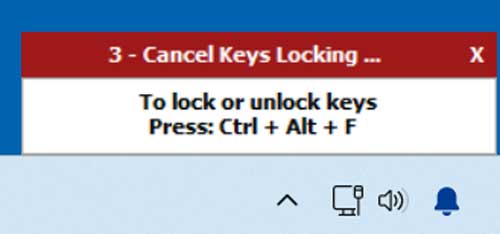
You will notice immediately that the software prepares to lock your keyboard and mouse. It gives you a helpful 5-second warning countdown before the freeze actually engages, giving you time to position your mouse cursor out of the way.
3. Unlocking the Peripherals
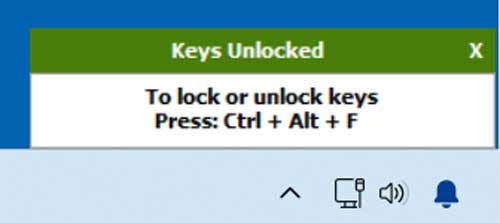
Once the lock is applied, you will not be able to use the keyboard or mouse on the computer at all. To regain control of your machine, you must press the default hotkey combination of Ctrl+Alt+F on your physical keyboard.
4. Managing the System Tray Icon
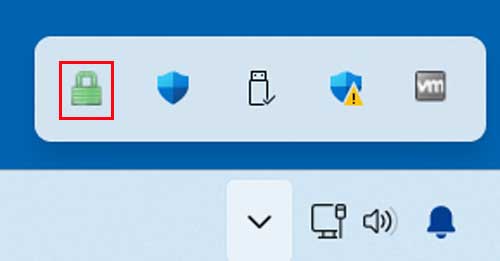
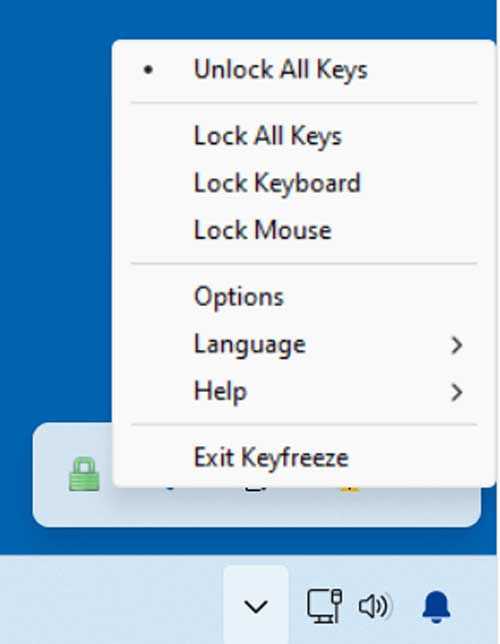
Once you press the hotkey, you will see a small pop-up notifying you that the keyboard and mouse have been unlocked. While the program is actively running in the background, you will be able to find it down in the Windows system tray, designated by a small padlock icon.
5. Using the Right-Click Menu
You can right-click on this padlock icon at any time to bring up a quick-action menu. From here, you can choose to lock the keyboard, lock the mouse, or lock both simultaneously without having to use the keyboard shortcut.
Customizing the KeyFreeze Options
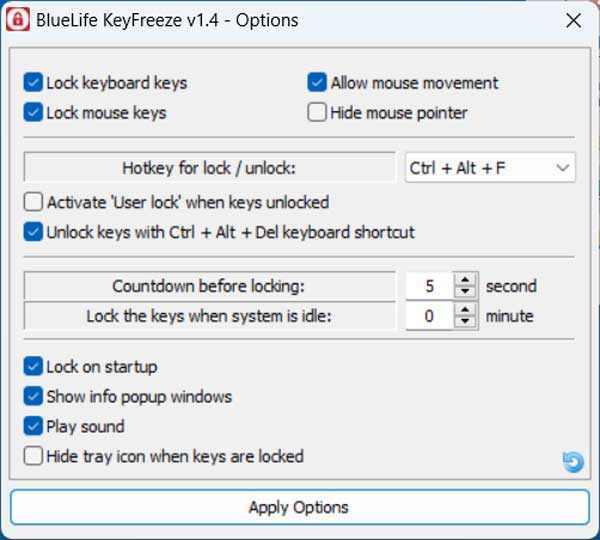
Clicking on Options from that system tray menu will take you to the main configuration screen for the program. This menu allows you to tweak exactly how the lock behaves to suit your specific environment.
6. Independent Locking Rules
Here you can do things like have the program lock just the mouse or just the keyboard. This is perfect if you are watching a movie and want to hold the mouse to control the volume, but want the keyboard disabled so you can set it on your lap.
7. Adjusting the Mouse Pointer
You can also choose to completely hide the mouse pointer from the screen when the lock engages. Alternatively, you can disallow mouse clicking, but still allow the visual cursor to move around the screen to point at things during a presentation.
8. Changing the Lock Shortcut and Timers
If you do not want to use the default Ctrl+Alt+F setting, you can change the keyboard shortcut to almost anything you prefer. The countdown before locking is set to 5 seconds by default, but you can increase this timer so you have plenty of time to step away from the desk before the freeze engages.
What if you forget the unlock shortcut?
A common fear when using input-blocking software is getting permanently locked out of your own machine. People worry that if they forget the custom hotkey, they will have to perform a hard reset by pulling the power plug.
Fortunately, BlueLife KeyFreeze is designed with a native failsafe. By default, the software allows the standard Ctrl + Alt + Delete keyboard shortcut to bypass the lock entirely.
If you find yourself stuck, simply press Ctrl+Alt+Del. This will immediately interrupt the software and bring up the Windows security screen. This usually restores your mouse functionality so you can easily close the application via the Task Manager.
Finally, the “Lock on startup” option can be used to have the keyboard and mouse automatically locked the moment the computer boots up. This can come in handy in case someone tries to get into the computer by restarting it, mistakenly thinking a reboot will bypass the lock.
Keyboard and Mouse Locking FAQ
Does this software block touchscreens?
Generally, no. KeyFreeze is designed specifically to intercept USB and Bluetooth mouse and keyboard inputs at the driver level. If you are using a 2-in-1 laptop, a Microsoft Surface, or a dedicated touch monitor, tapping the physical screen may still register clicks.
Will this stop a cat from putting the PC to sleep?
Yes. If the keyboard is actively locked, pressing dedicated media keys or the physical “Sleep” button found on many advanced keyboards will be intercepted. The software will ignore the command, keeping your PC awake and active.
For additional training resources, check out our online IT training courses.
Check out our extensive IT book series.