Last Updated on May 21, 2026
How your program scrollbars look and function might not be something you normally think about, but they can affect how easy it is to work within your applications. If you are the type who likes to click and drag on the scrollbar to move up and down within a webpage, then you might want to try the overlay scrollbar feature of Google Chrome to improve how the scrolling feature works for you.
Overlay scrollbars are designed to be more subtle and less visually intrusive, appearing only when you actively scroll or move your cursor near the edge of the window. This can make the browsing experience feel cleaner and more modern, especially on smaller screens where every bit of space matters. By reducing visual clutter, overlay scrollbars allow more of the webpage content to remain in focus while still providing the same scrolling functionality when you need it.

Many Windows apps have the same or similar types of scrollbars but there is a certain type called an overlay scrollbar that functions a little bit differently. And fortunately, this is something you can enable or disable within the Google Chrome web browser.
1. View the Default Scrollbar Interface
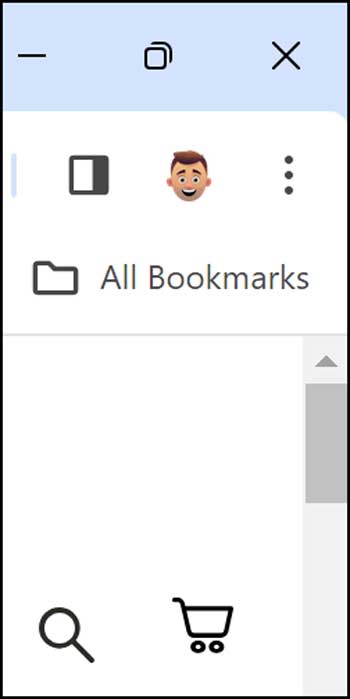
The image below shows how the default scrollbar looks within Google Chrome. It is an average width bar sitting inside a static slider track that runs down the entire page length. You can easily enable the experimental overlay scrollbar to hide this ugly track when it is not actively in use.
2. Access the Hidden Chrome Flags Menu
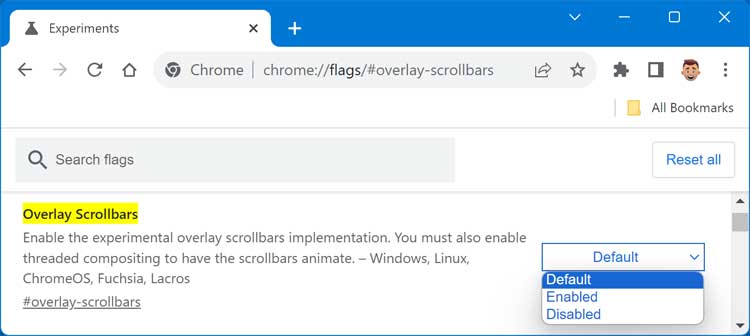
The absolute easiest way to reach this specific configuration screen is to use a direct internal link. Type or paste chrome://flags/#overlay-scrollbars directly into the main address bar at the top of your browser and press enter. This command bypasses the standard menus and drops you right into the hidden experimental settings.
3. Enable the Overlay Feature
The internal link takes you straight to the highlighted overlay scrollbar setting. Click the dropdown menu box on the right side of the screen and change the value from default to Enabled. The browser will immediately prompt you for a reboot. This quick restart forces the new visual interface to load properly.
4. Observe the Hidden Scrollbar State
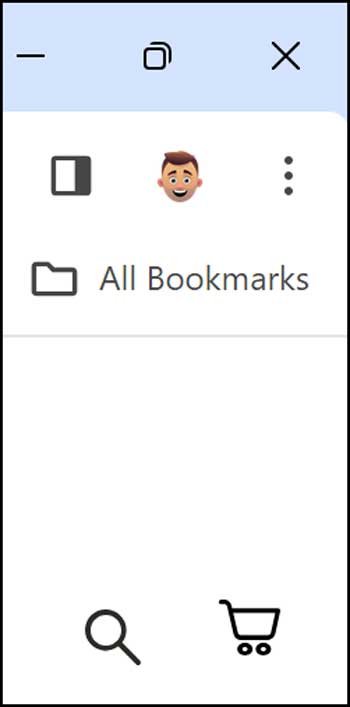
Relaunch your browser. Open any standard webpage to see the massive visual difference. The scrollbar completely vanishes from the screen when your mouse pointer sits idle. This invisible state forces the actual website content to take up your entire monitor.
5. Trigger the Hover Activation
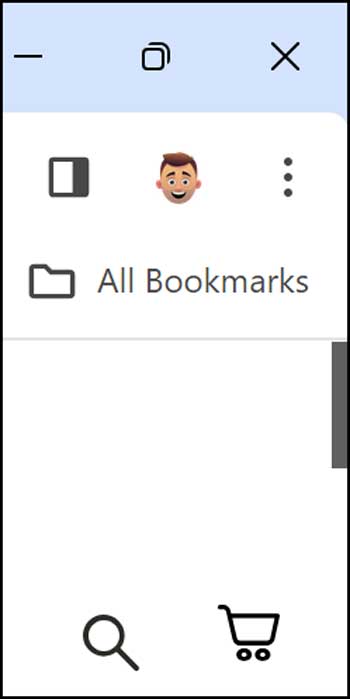
You must physically move your mouse cursor over to the far right edge of the window to trigger the interface. A very thin interactive bar will suddenly appear floating over the website content. The ugly grey slider track from the original default setting is completely gone.
6. Drag the Expanded Scrollbar
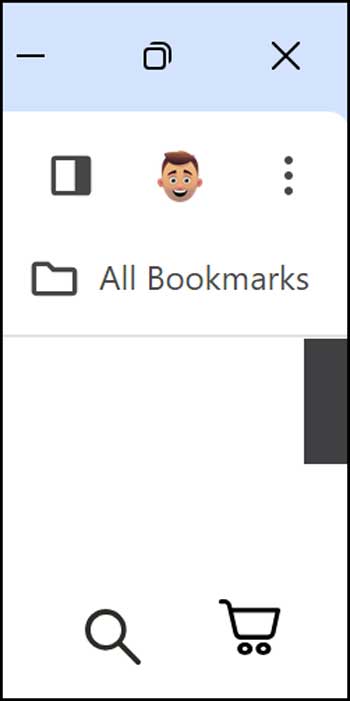
Place your mouse directly over the thin floating line to activate its fully expanded state. The bar instantly becomes thicker. This gives you plenty of surface area to click and drag the page up or down. Releasing your mouse button makes the interface shrink back into the background.
7. Revert to the Default Settings
You might eventually decide that you prefer having a permanent visual indicator for your page position. You can easily change the scrollbar back to the classic default look at any time. Just go back to the exact same Chrome flag URL and set the dropdown box to default or Disabled.
For additional training resources, check out our online IT training courses.
Check out our extensive IT book series.