
Last Updated on August 1, 2026
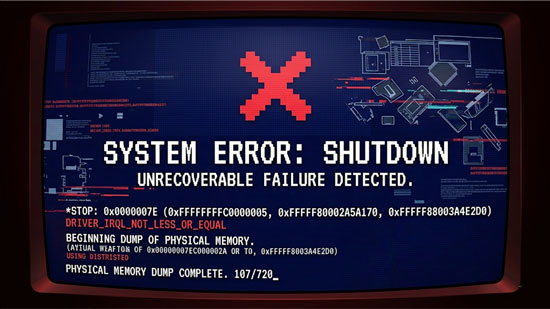
Whether it’s your car, your computer, smartphone or heaven’s forbid an airplane, there’s no worse sensation then the random, unexplained shutdown. For power computer users it’s the ultimate in frustration. Did my work save? Is my machine dead? What in the heck is going on?
While you might figure it’s an overheating or a faulty power cable, the problem might be a lot more sinister than you think. Certain types of malware and spyware can take over your computer and completely shut it down, then trigger installations of their own software during the reboot cycle when you aren’t paying attention. Most people don’t pay any attention when their computer boots up, sometimes they’re not even in the same room, which makes their machines easy pickings for this sort of malware to take command.
If your computer shuts down randomly one time but not again, you can usually chalk it up to a coincidence, perhaps a power outage or your computer being long overdue for a restart and update. If your computer shuts down without explanation, there are a few steps you can take to make sure it’s not something more than a fluke. Act quickly before severe system damage occurs.
How to Fix Unexplained Computer Shutdowns
1. Monitor the Reboot Process Closely
Before you do anything else, make sure you watch closely when the computer reboots. Look for unfamiliar avatars, strange terminology, or unexpected system updates that are clearly not part of your normal Windows setup. If you see suspicious activity on your screen, power the machine down immediately. This stops malicious background processes from running.
2. Boot Windows into Safe Mode
Start your computer back up in Safe Mode.to isolate system services. Safe Mode prevents Windows from loading third-party background drivers and blocks network connectivity. This step isolates active spyware or adware and keeps it from sending your private data back to external servers.
3. Run a Thorough Scan with Windows Security
Once your computer starts up in safe mode, run a full system scan using Windows Security or your primary malware detector. Full scans take time because the software checks every registry entry and executable file on your drive. Malware uses random shutdowns to modify system registry keys, log user keystrokes, and inject unwanted pop-up advertisements into web browsers.
4. Inspect Hardware Temperatures and Power Supplies
Overheating components and failing power supply units often trigger thermal shutdowns to prevent hardware damage. Dust builds up inside cooling heatsinks and restricts airflow over the processor. Check your system fan speeds, monitor CPU thermal metrics, and replace aging thermal paste if core temperatures spike during routine tasks.
5. Fix Video Driver and Display Configuration Conflicts
Video settings on your device can cause configuration errors that trigger sudden operating system crashes. Video driver errors occur when software changes display formats and the system cannot process the graphics buffer. Clean out old display drivers using dedicated removal utilities and install fresh graphics drivers from the manufacturer.
6. Reset Windows to Factory Settings
If your scan turns up without any definitive answers, your next objective should be to reset the factory settings on your computer. Resetting Windows replaces damaged system files while giving you the option to retain personal data. Reestablishing your favorite programs takes only thirty minutes and resolves deep operating system corruption.