Last Updated on April 12, 2026
Why does my computer freeze up and crash?
A computer freeze or crash is usually the result of a conflict between your hardware and software. While an occasional “hiccup” can happen, frequent instability is a sign of a deeper issue. Identifying the root cause requires a systematic approach to rule out hardware failure, resource exhaustion, and corrupted system files.
1. Hardware and Overheating
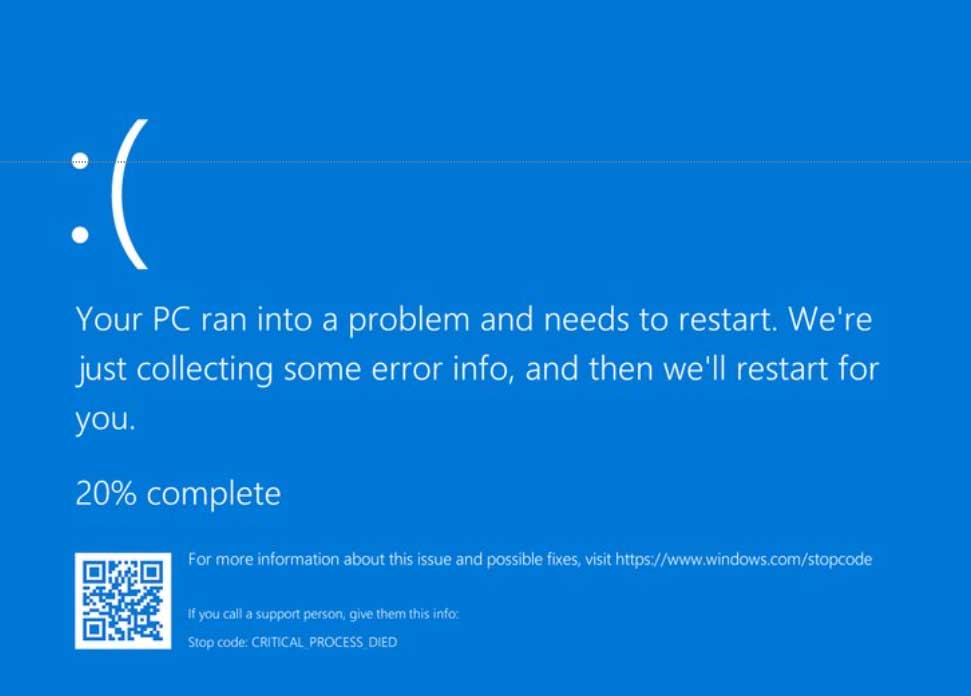
Hardware failure is often signaled by a Blue Screen of Death (BSOD). Pay close attention to when the crash occurs:
- Under Load: If your PC freezes during gaming or video editing, it is likely an overheating GPU or a failing Power Supply (PSU).
- Randomly: Random freezes are often caused by defective RAM or a failing SSD/Hard Drive.
- The Fix: Ensure your fans are clean and use a tool like HWMonitor to check temperatures. If your CPU or GPU exceeds 80°C under load, overheating is likely causing the crash.
Software issues are another reason for computers crashing and freezing. The software you use is designed to work with the operating system and sometimes the developers don’t do a good job writing the software and it can conflict with Windows and cause a crash. This is what is known as “buggy” software. Your software also shares certain files with other software so that can cause instability as well.
2. Resource Exhaustion
If your RAM is full, Windows begins using your hard drive as “virtual memory,” which can cause the system to stop responding.
- Diagnostic: Press Ctrl + Shift + Esc to open Task Manager.
- Check: Under the Performance tab, look at Memory. If it is consistently at 90% or higher, your computer is “swapping” data, which leads to freezes.
- Action: Close unnecessary browser tabs and background apps. If the problem persists, you may need a hardware RAM upgrade.
3. Malware and “PUPs”
Malicious software or Potentially Unwanted Programs (PUPs) can hog CPU cycles, causing the OS to hang.
- The Fix: Run a full scan with Windows Security. For a second opinion, use Malwarebytes to find “adware” that standard antivirus programs sometimes ignore.
4. Corrupt System Files
Over time, Windows updates or improper shutdowns can corrupt core files.
- The Fix: Open Command Prompt (Admin) and type sfc /scannow . This tool compares your system files against a known-good “master” copy and replaces any damaged data.
5. Using the Event Viewer
If the computer crashes without an error message, check the Event Viewer:
- Right-click the Start button and select Event Viewer.
- Go to Windows Logs > System.
- Look for Red “Error” icons or “Critical” (Event ID 41) entries at the exact time of the crash.
- Research the “Source” or “Event ID” online to find the specific driver or service responsible.
For additional training resources, check out our online IT training courses.
Check out our extensive IT book series.