Last Updated on February 18, 2026
If you have ever wanted to try out the Linux operating system but don’t want to setup a separate computer, add another hard drive, or try to re-partition your current hard drive out of fear of losing everything on your hard drive? If so, then Ubuntu Linux may be for you. Running Linux alongside Windows gives you the best of both worlds without buying extra hardware. You get high performance, total system control, and access to thousands of open-source software tools on your current PC.
Ubuntu Linux allows you to try out Linux by booting it from a live USB flash drive so you can check out the features and see if it’s something you want to install on your computer. If you decide you do want to give it a shot, then you can install it side by side with Windows and have the option to boot into either operating system. Ubuntu will take care of the drive resizing and partition creation all by itself so you don’t have to do anything but just watch the process and answer a few simple questions such as what language and time zone you want to use.
1. Launch the Ubuntu Installer
To install Ubuntu on your computer, insert your bootable installation drive into your PC and start your system. The installer menu appears on your screen with options to either test the system live or begin the installation. Click on the option to install inside Windows or launch the setup wizard from the main menu to start the installation process.
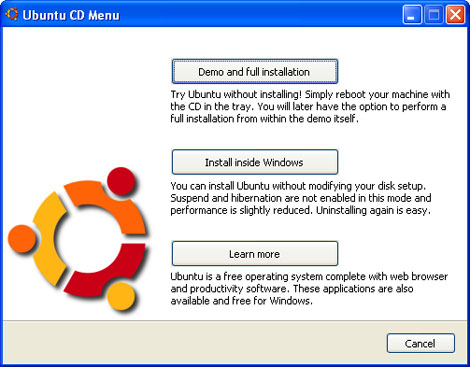
2. Configure Disk Space and User Credentials
You will be prompted to choose what drive you want to install it on if you have more than one drive inside your computer. Select how much disk space you want to allow the installation to use so both operating systems have enough storage space. Fill in your user information including your name, chosen username, system hostname, and administrative password. Once you set those options, click on the Install button to continue.
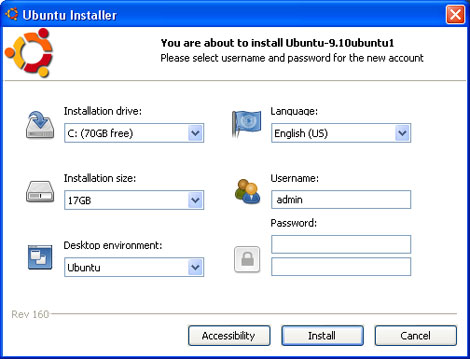
3. Complete the OS Setup Process
Ubuntu will go through the installation process and will prompt you for answers to questions such as language and keyboard setup. The wizard copies essential files, installs hardware drivers, and sets up your system startup files. Then after the installation is complete, reboot your computer to load the startup dual boot menu where you can choose to load Windows or Linux.
4. How to Uninstall Ubuntu from Windows
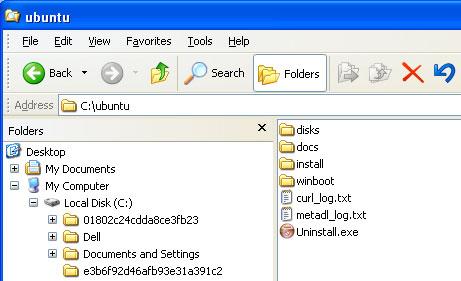
If you want to uninstall Linux from your system and have things back the way they were, boot into your standard Windows environment. Browse to the C:\ubuntu folder on your main storage drive and double click on Uninstall.exe to remove Ubuntu from your computer. You can also use Windows Disk Management to clean up extra boot partitions if you installed Linux on a dedicated drive.
Ubuntu Linux can be downloaded for free here.